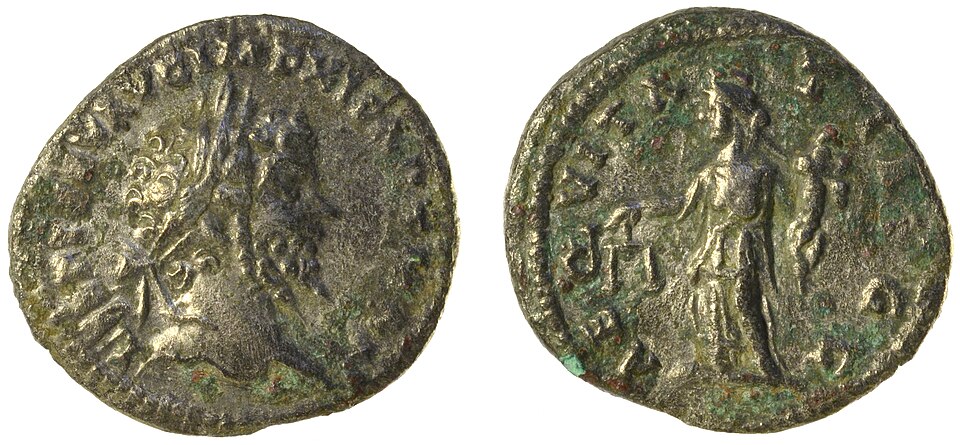
Roman coin hoard discovered by amateur detectorist
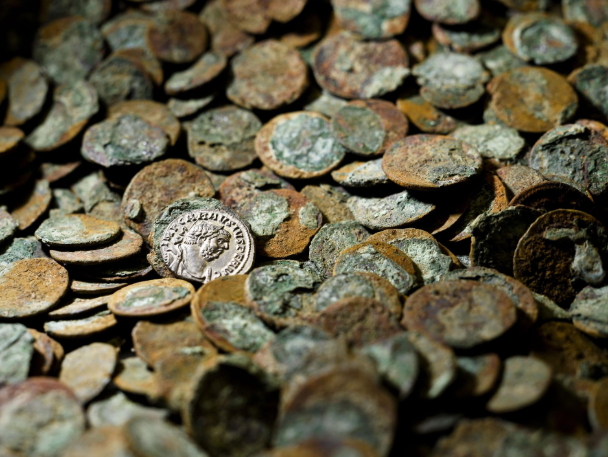
A newcomer to detecting found 268 Roman silver denarii on Herefordshire farmland in 2019. Six years on, the hoard has come home and is on free public display in Leominster.
Ref 75
5 published discoveries in the Hoards category from England — coins, hoards, jewellery and artefacts recovered by detectorists and archaeologists.
Showing only Hoards found in England. Show all England finds, or see Hoards from everywhere.
A newcomer to detecting found 268 Roman silver denarii on Herefordshire farmland in 2019. Six years on, the hoard has come home and is on free public display in Leominster.
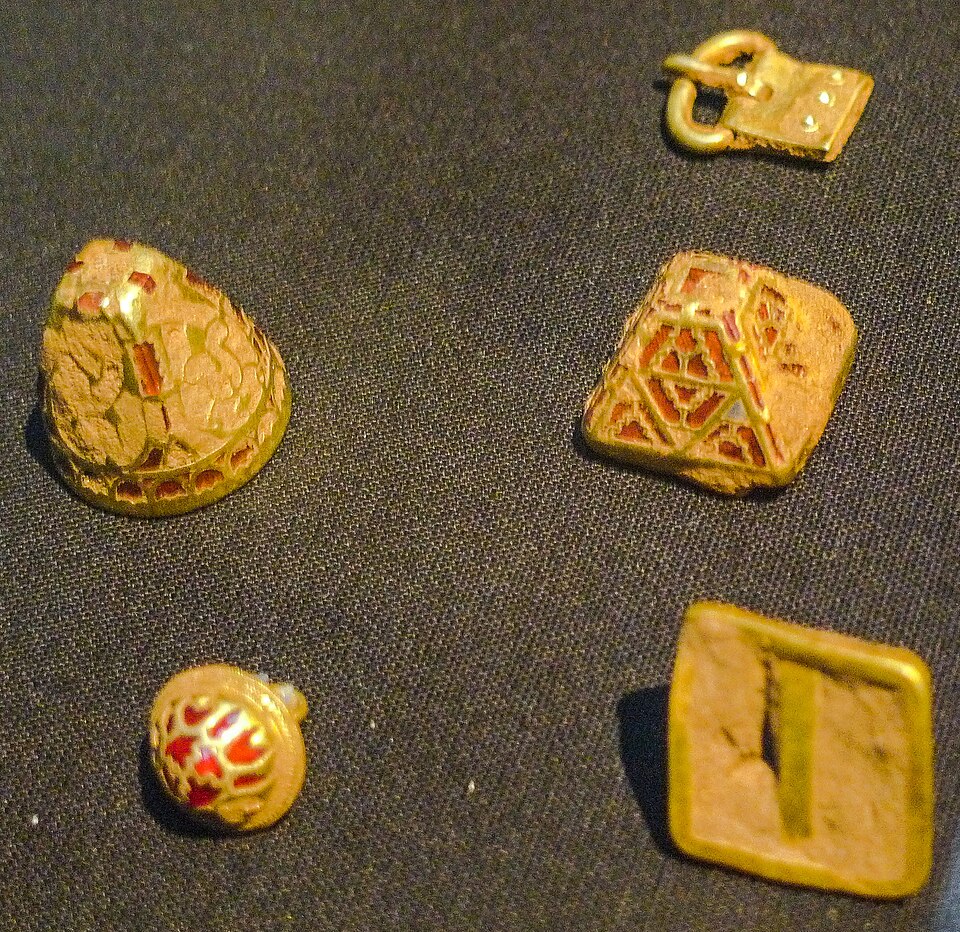
In 2009 a Staffordshire detectorist found the first pieces of what is still the largest hoard of Anglo-Saxon gold ever discovered: almost 4,000 objects and fragments, most of them fittings from weapons.
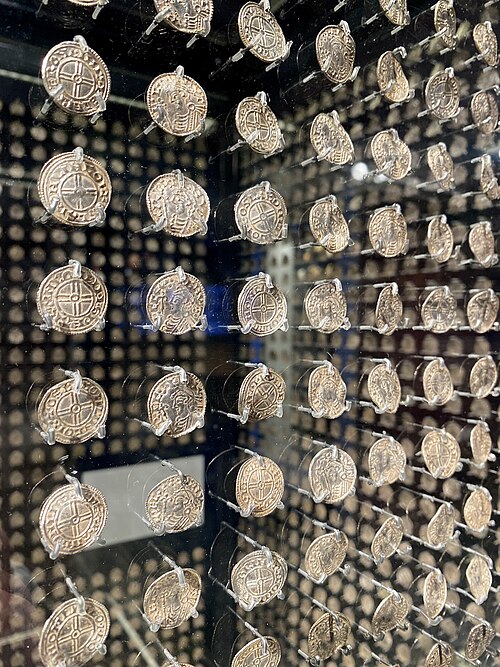
More than 5,000 silver pennies of Æthelred II and Cnut, buried in a lead parcel around 1035 and found at a detecting club rally near Buckingham in 2014. Valued at £1.35 million, the hoard is now in Aylesbury.
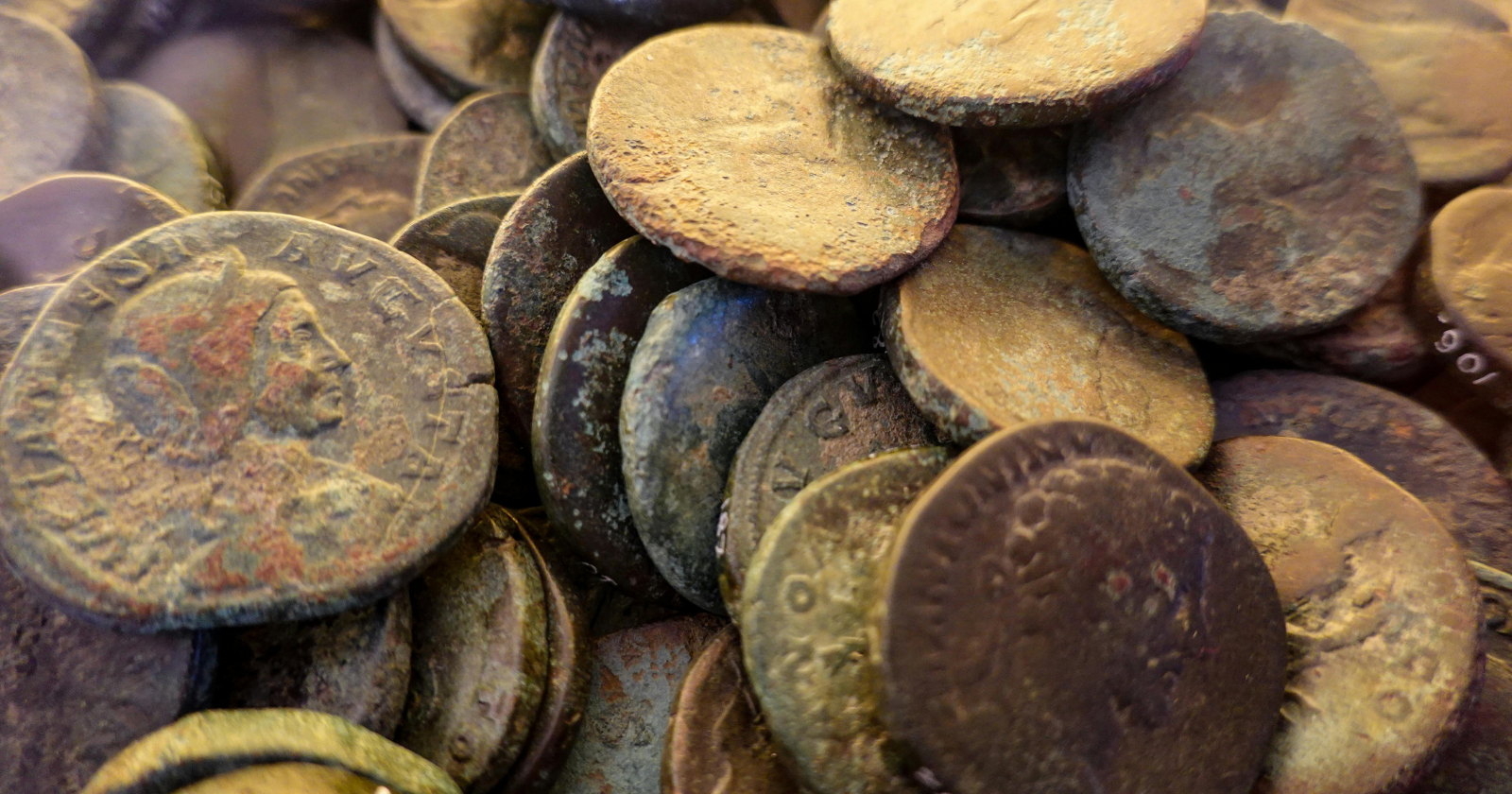
In November 1992, farmer Peter Whatling lost a hammer in a Suffolk field and asked his friend Eric Lawes to help find it using a metal detector. Instead of just the tool, Lawes uncovered what became known as the Hoxne Hoard—one of the richest Roman treasure finds in Britain, consisting of nearly 15,000 gold, silver, and bronze coins, alongside silver tableware and gold jewellery dated to around AD 407. Recognising the find's significance, Lawes halted his digging immediately and notified authorities, allowing archaeologists to excavate the chest with its historical context fully preserved. Lawes was awarded £1.75 million for the discovery, which he split with Whatling (who also recovered his lost hammer), and the event eventually spurred the creation of the UK's Treasure Act 1996 to regulate future archaeological finds.
The article details the discovery of the Frome Hoard, Britain's second-largest coin hoard, which was unearthed in April 2010 by metal detectorist Dave Crisp near Frome in Somerset, England. Contained within a single cracked black burnished ware clay pot, the collection comprises 52,503 debased silver and bronze coins spanning 253 to 305 C.E. and weighing roughly 350 pounds. Because the pot was too fragile to carry such immense weight, archaeologists determined it was buried empty in a pit and filled on-site as a single event—likely serving as a communal religious votive offering rather than stored wealth intended for recovery. The hoard includes coins representing 21 Roman emperors, breakaway Gallic rulers, and the largest single collection of coins from the rebel Britannic emperor Carausius, making it a critical historical artefact now preserved at the Museum of Somerset in Taunton.