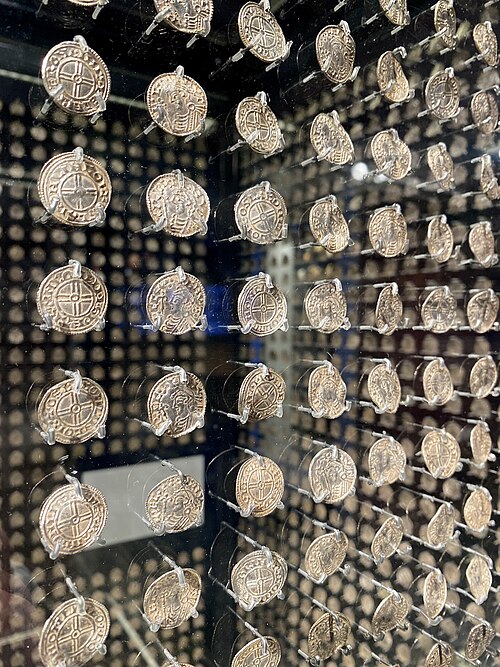
A farmer lost a hammer in his field and went looking for it with a metal detector — instead he found nearly 15,000 Roman coins
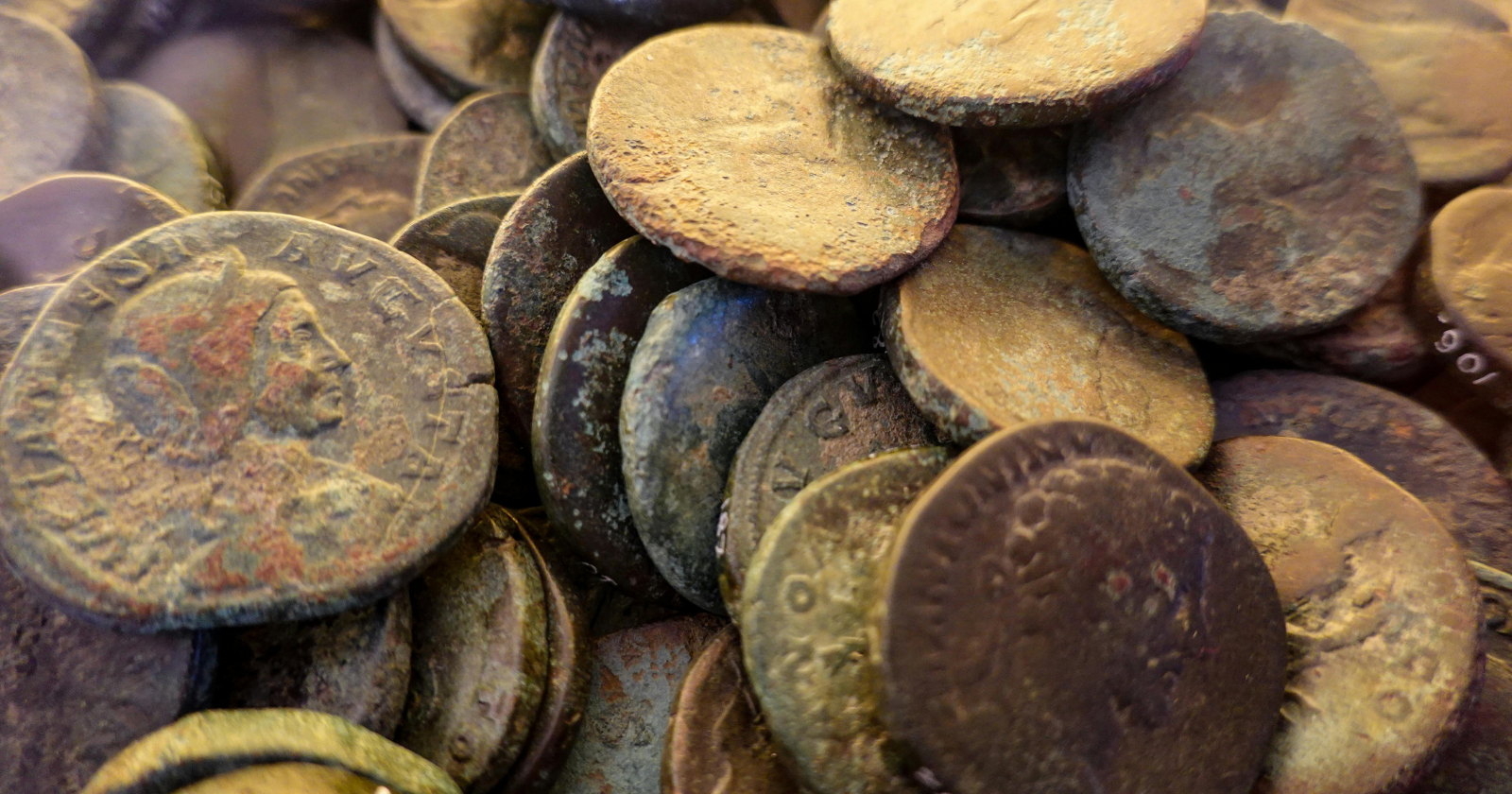
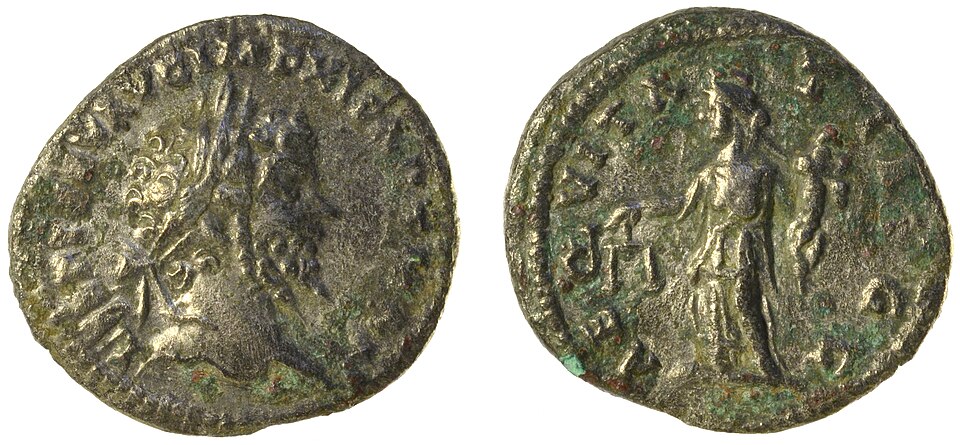
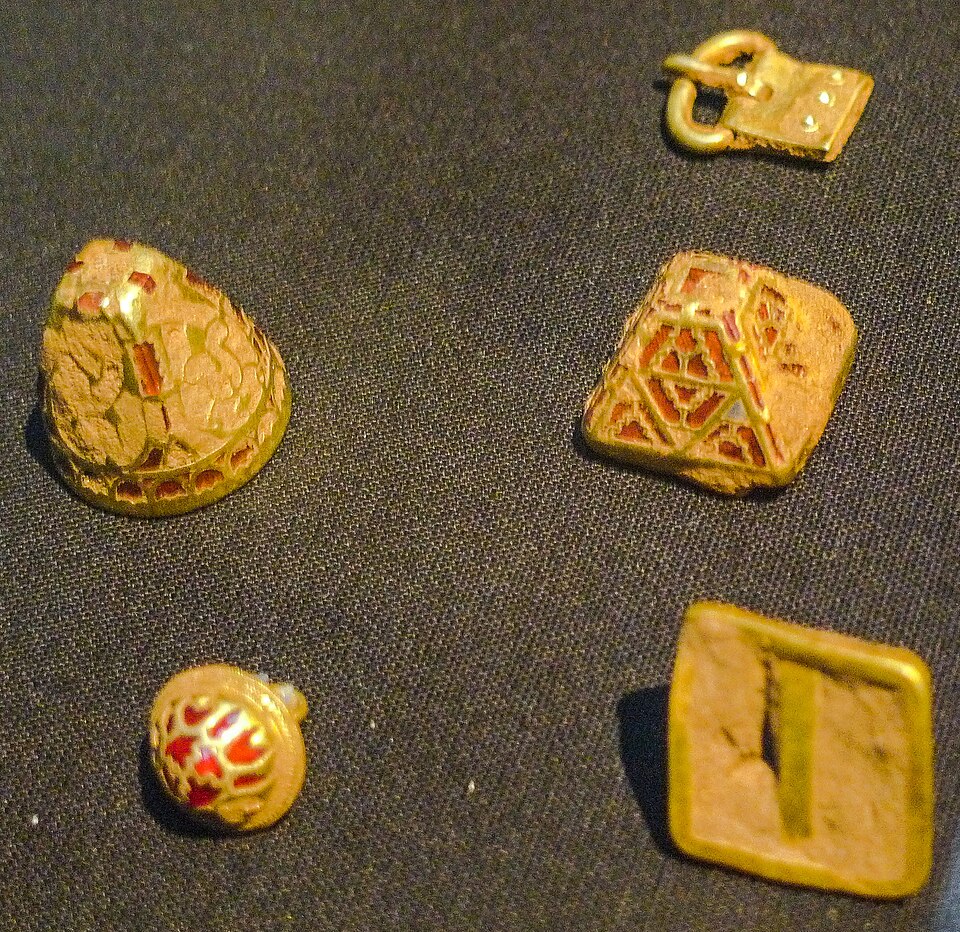
In November 1992, farmer Peter Whatling lost a hammer in a Suffolk field and asked his friend Eric Lawes to help find it using a metal detector. Instead of just the tool, Lawes uncovered what became known as the Hoxne Hoard—one of the richest Roman treasure finds in Britain, consisting of nearly 15,000 gold, silver, and bronze coins, alongside silver tableware and gold jewellery dated to around AD 407. Recognising the find's significance, Lawes halted his digging immediately and notified authorities, allowing archaeologists to excavate the chest with its historical context fully preserved. Lawes was awarded £1.75 million for the discovery, which he split with Whatling (who also recovered his lost hammer), and the event eventually spurred the creation of the UK's Treasure Act 1996 to regulate future archaeological finds.
A farmer lost a hammer in his field and went looking for it with a metal detector — instead he found nearly 15,000 Roman coins, gold jewelry and silver tableware buried beneath the soil, one of the richest Roman treasure hoards ever discovered in Britain
Reported by Science Blog. The full report is linked below.
Those four are for England and Wales, where the Portable Antiquities Scheme records finds and the Treasure Act decides what must be reported.
Scotland runs its own system, and every find is reportable there — not only treasure. Treasure Trove Unit ›
The Republic of Ireland is different again, and severely so. Searching for archaeological objects without the Minister’s written consent is a criminal offence carrying fines or imprisonment, and the definition is broad enough to cover coins, buttons and buckles of almost any age. Do not assume British rules travel with you. The law, from the National Museum ›
Northern Ireland is stricter still. The Treasure Act applies and finds go to National Museums NI within fourteen days, but any searching that involves digging — metal detecting expressly included — needs a licence, and licences are only granted for archaeological projects. National Museums NI ›
This site covers discoveries from all over the world, and so does the variation in the law — from a recording scheme that thanks you, to a criminal offence. Wherever you are searching, find out what applies there before you go, not after.