Medieval Arab Coins Found Near Viking Trading Centre in Poland
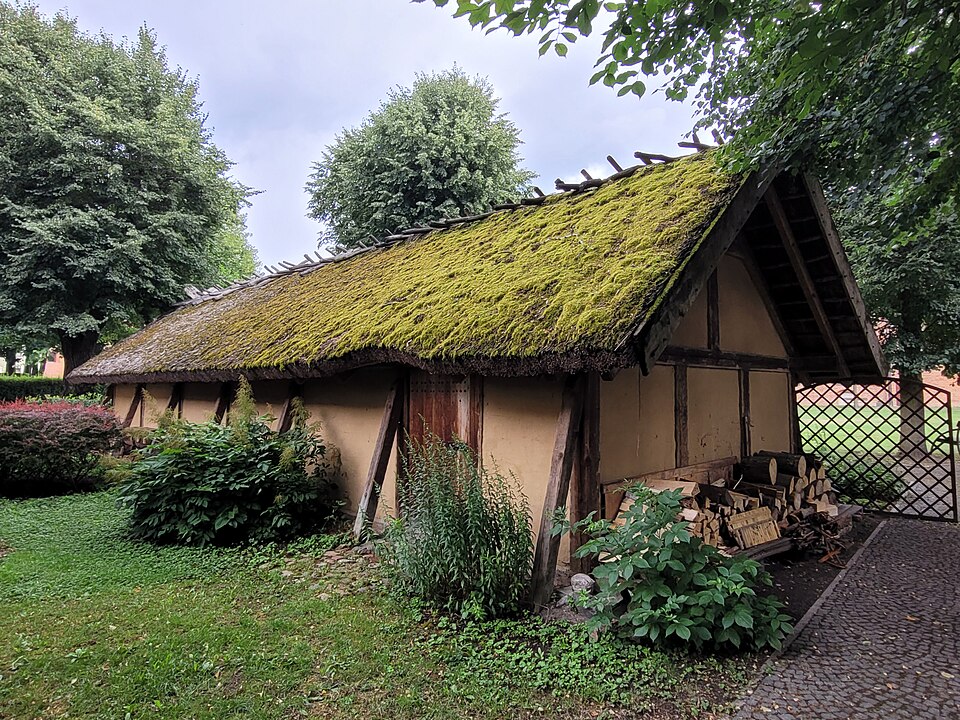
A legal detector search in woodland near Elbląg has turned up six ninth-century Arab silver dirhams and two fragments, close to the Viking-Age trading port of Truso.
Ref 77
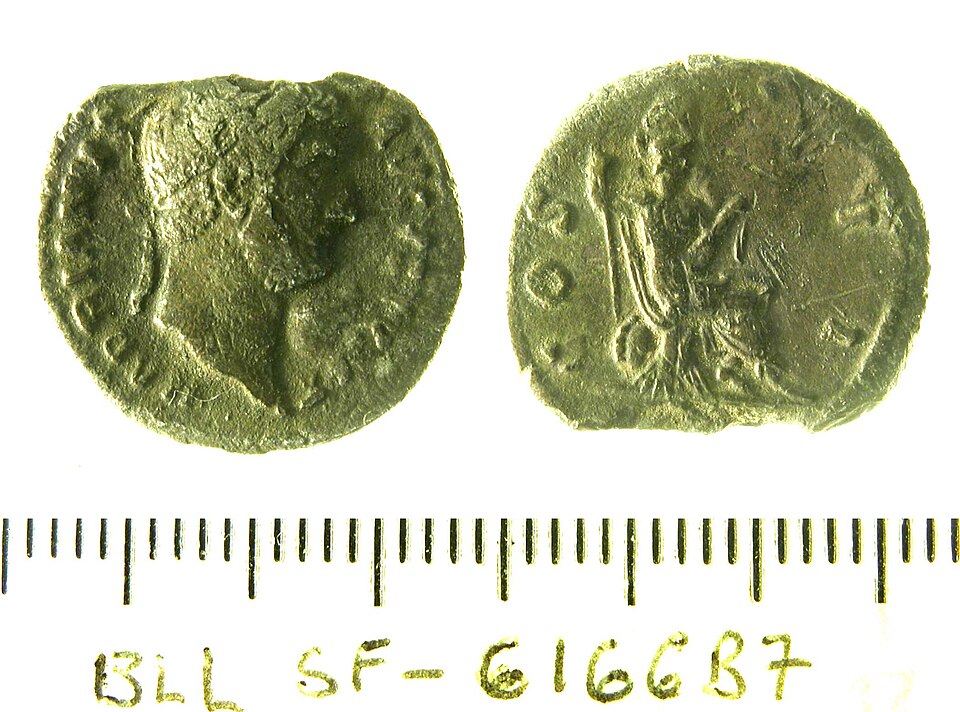
Ancient and historic coinage recovered by metal detectorists — Roman denarii, Saxon sceattas, medieval hammered silver and later milled issues.
A legal detector search in woodland near Elbląg has turned up six ninth-century Arab silver dirhams and two fragments, close to the Viking-Age trading port of Truso.
A volunteer detectorist near Cologne kept getting signals, and the result is 934 Roman silver coins, the largest coin hoard from the time of Hadrian ever found in Germany.
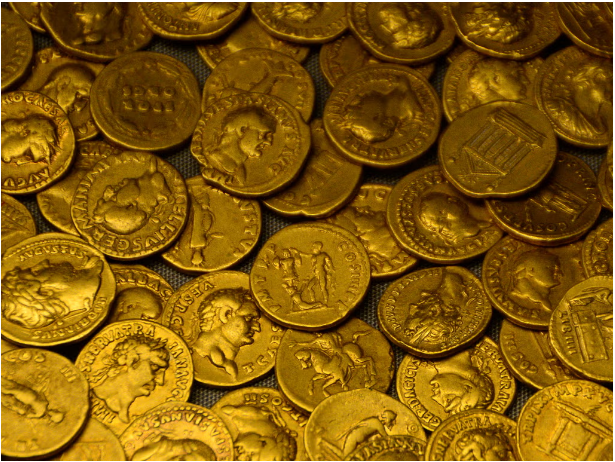
Archaeologists in Luxembourg uncovered a hoard of 141 late‑Roman gold solidi after two fieldworkers first reported 38 coins found at a site in Holzthum in 2019. Excavations between 2020 and 2024 revealed the coins had been buried near a Roman burgus watchtower and dated between 362 and 402 CE, representing almost every mint and emperor of the era. The hoard is unusual for its large share of coins from Nicomedia and Antiochia, suggesting movement of imperial troops and donatives from Anatolia westward toward the Rhine frontier. Despite extensive research, no crisis or event explains why such wealth was hidden, and the stash appears to have remained untouched for 1,600 years. Luxembourg’s Ministry of Culture acquired the hoard for about $322,000, and ongoing analysis aims to clarify how these coins travelled and why they were never retrieved.
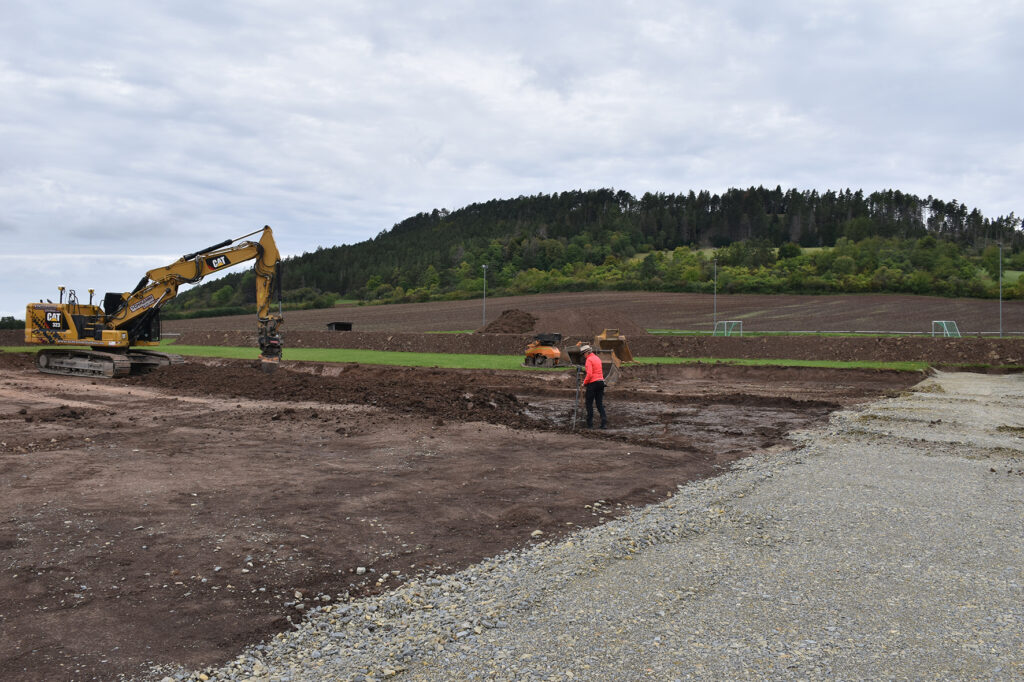
Archaeologists excavating a former sports field in Singen, Thuringia uncovered a complete hoard of 11 Celtic silver quinarii, deliberately buried in the 1st century BC and later scattered by centuries of ploughing. Although the original container has decayed, careful documentation showed the coins were deposited together, making this the largest Prague‑type quinarius hoard ever found in Thuringia and a rare “closed find” whose owner never returned. The discovery strengthens evidence of Celtic activity and trade routes between production centres near Gotha and major settlements in southern Thuringia, while additional unrelated finds—from a Roman denarius to medieval beads and a Prussian uniform button—reveal the site’s long, layered history.