Rare 2,000-Year-Old Celtic Silver Hoard Found Beneath a Former Sports Field
Discovery photographs
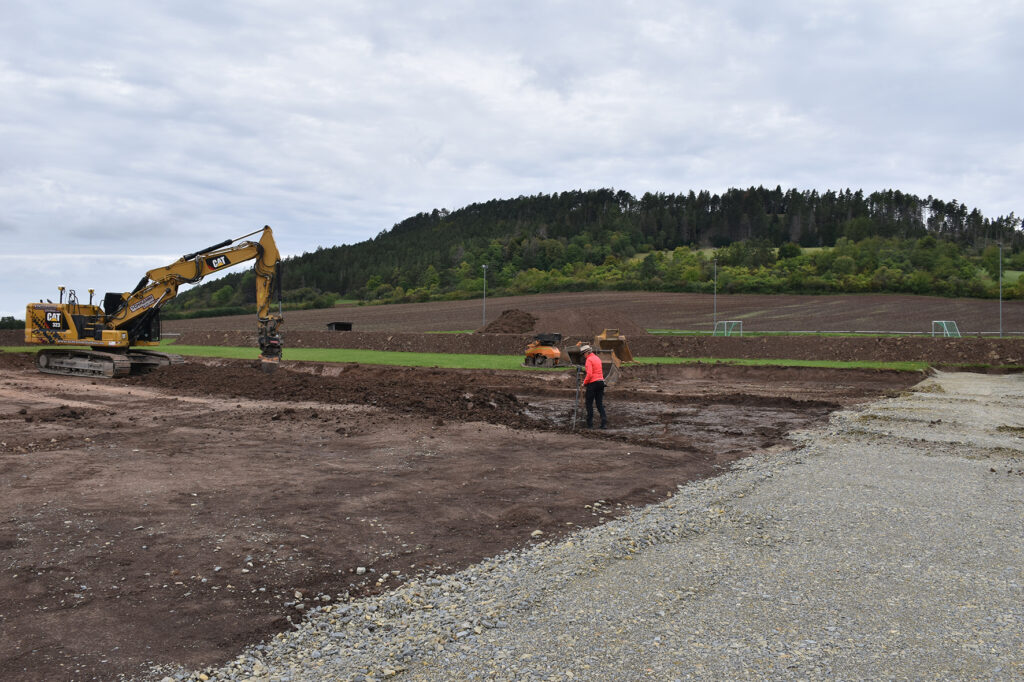
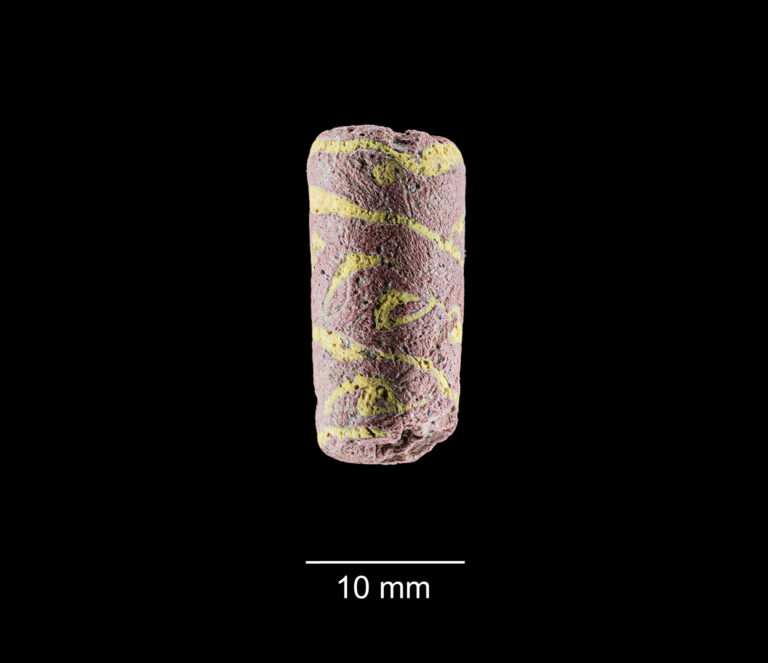
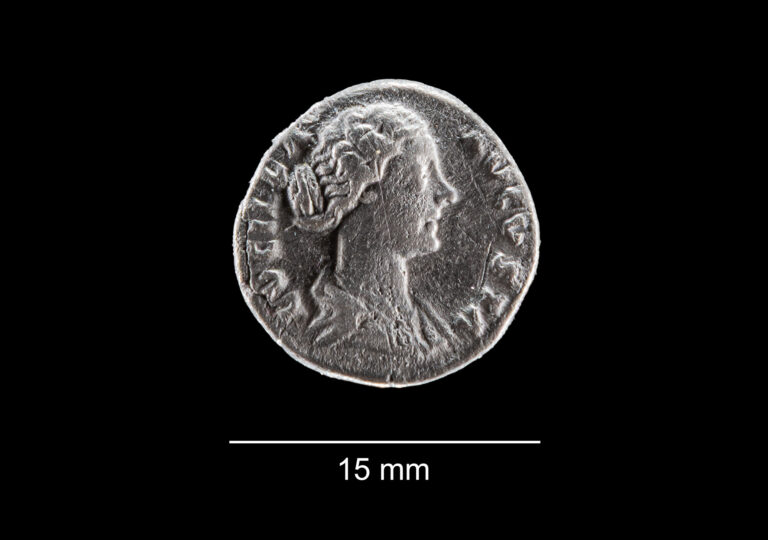
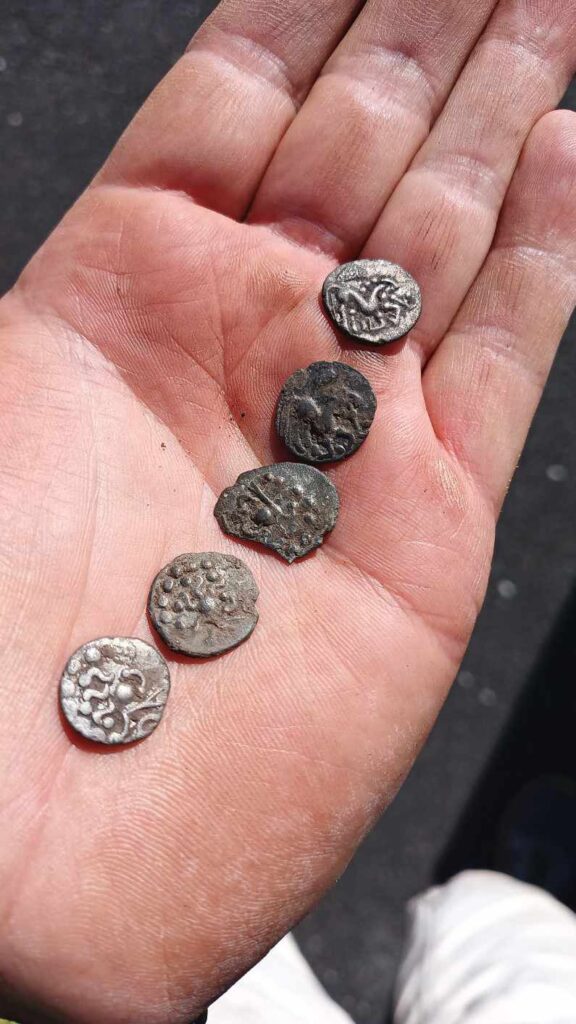
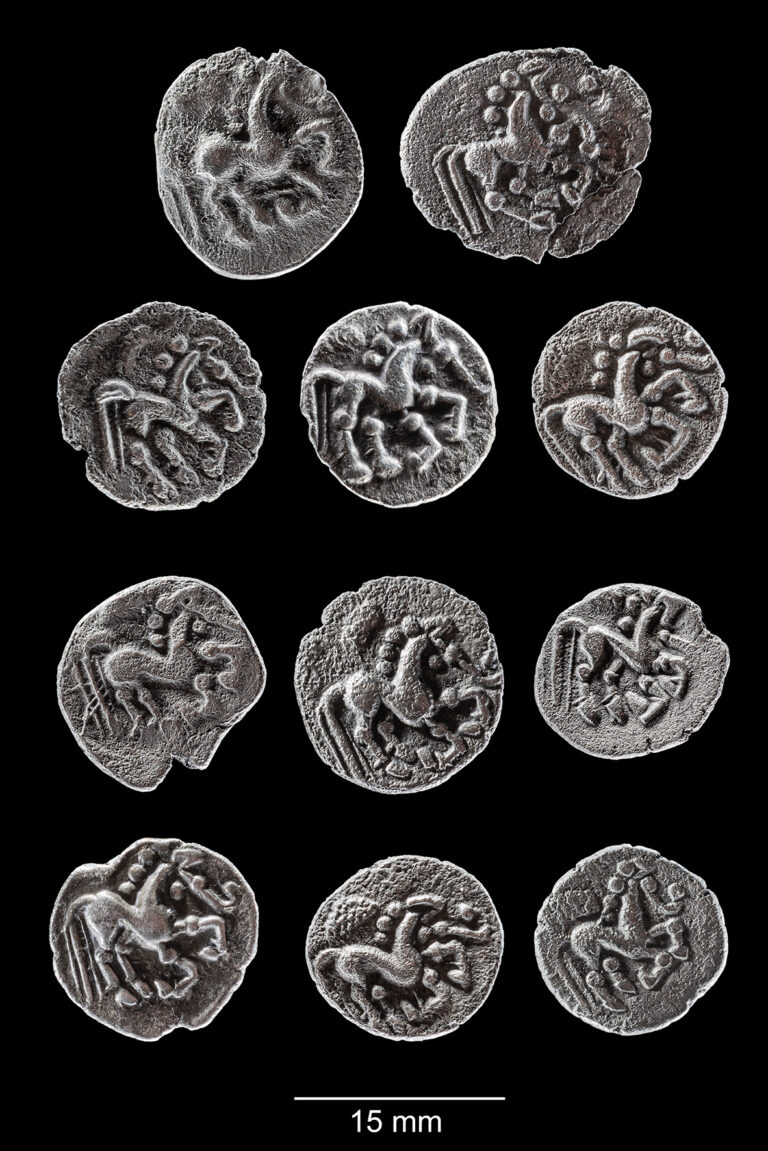
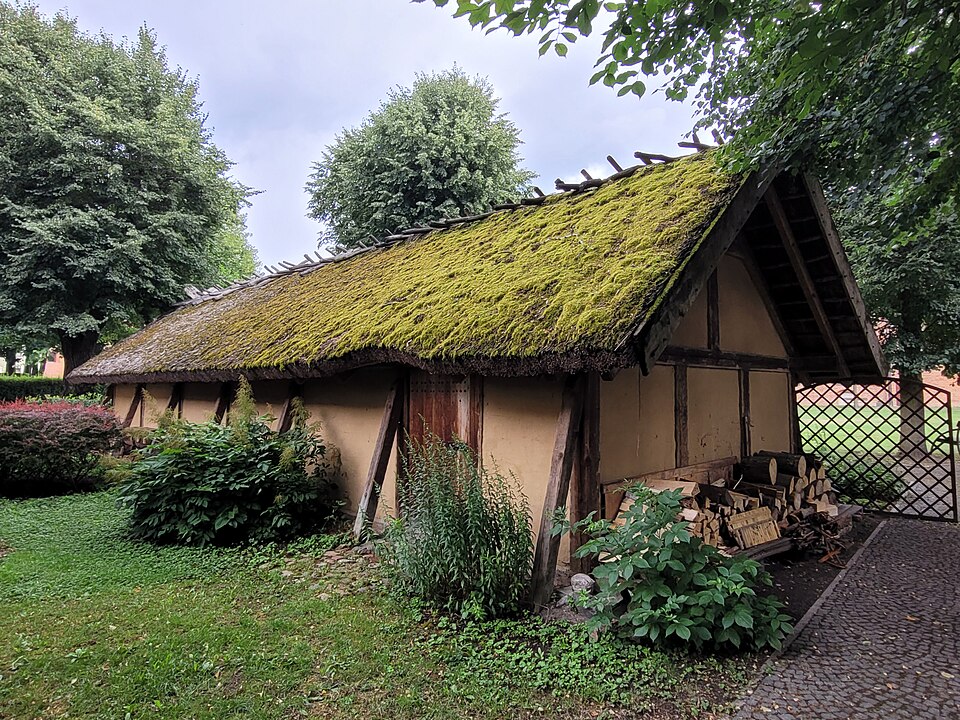
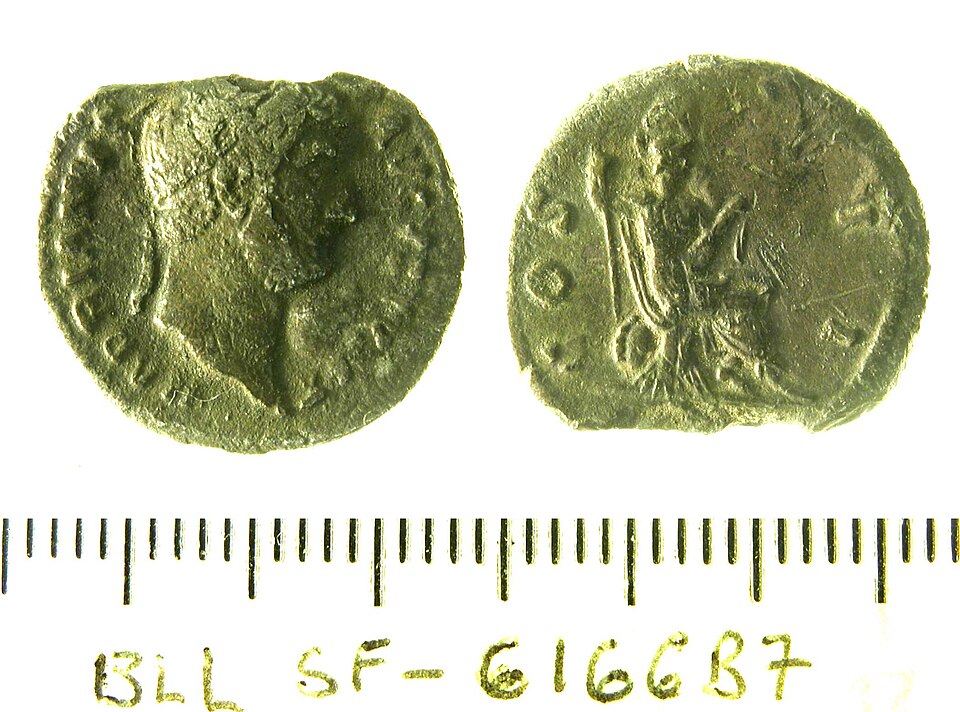
Archaeologists excavating a former sports field in Singen, Thuringia uncovered a complete hoard of 11 Celtic silver quinarii, deliberately buried in the 1st century BC and later scattered by centuries of ploughing. Although the original container has decayed, careful documentation showed the coins were deposited together, making this the largest Prague‑type quinarius hoard ever found in Thuringia and a rare “closed find” whose owner never returned. The discovery strengthens evidence of Celtic activity and trade routes between production centres near Gotha and major settlements in southern Thuringia, while additional unrelated finds—from a Roman denarius to medieval beads and a Prussian uniform button—reveal the site’s long, layered history.
Reported by Arkeonews. The full report is linked below.
Those four are for England and Wales, where the Portable Antiquities Scheme records finds and the Treasure Act decides what must be reported.
Scotland runs its own system, and every find is reportable there — not only treasure. Treasure Trove Unit ›
The Republic of Ireland is different again, and severely so. Searching for archaeological objects without the Minister’s written consent is a criminal offence carrying fines or imprisonment, and the definition is broad enough to cover coins, buttons and buckles of almost any age. Do not assume British rules travel with you. The law, from the National Museum ›
Northern Ireland is stricter still. The Treasure Act applies and finds go to National Museums NI within fourteen days, but any searching that involves digging — metal detecting expressly included — needs a licence, and licences are only granted for archaeological projects. National Museums NI ›
This site covers discoveries from all over the world, and so does the variation in the law — from a recording scheme that thanks you, to a criminal offence. Wherever you are searching, find out what applies there before you go, not after.