Medieval Arab Coins Found Near Viking Trading Centre in Poland
A legal detector search in woodland near Elbląg has turned up six ninth-century Arab silver dirhams and two fragments, close to the Viking-Age trading port of Truso.
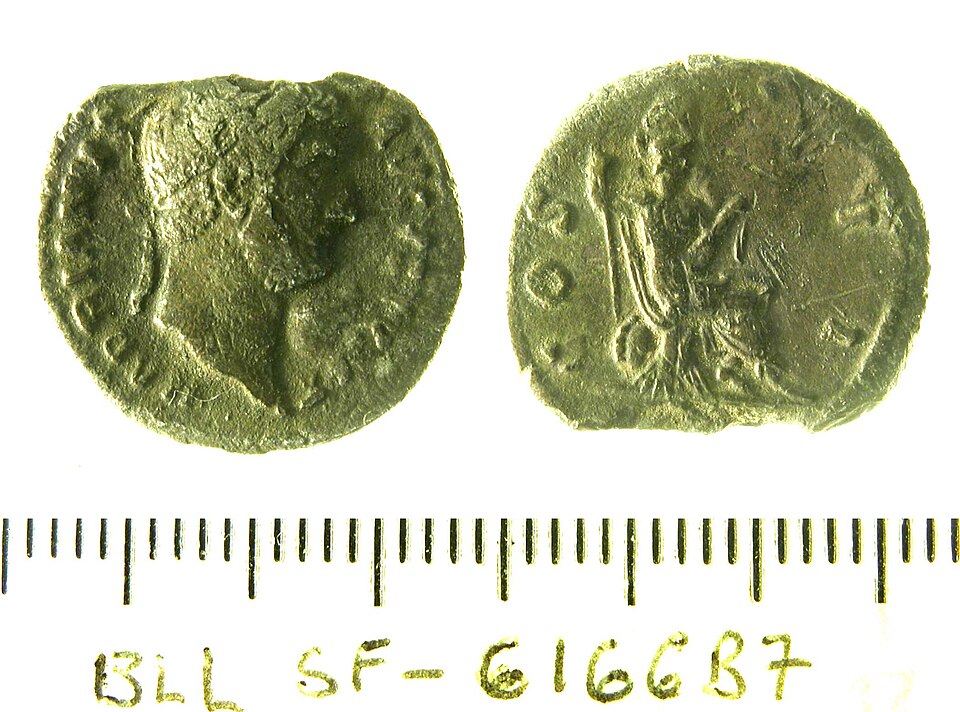
Six Arab silver coins, known as dirhams, and two fragments of others have been found in woodland managed by the Młynary Forest District, near the city of Elbląg in northern Poland.
A detectorist found them during a legal, permitted search and reported them to the regional heritage conservator, who passed them to the Archaeological and Historical Museum in Elbląg. The finder has not been named. At the museum, the coins will be conserved and studied, and more precise dates should follow.
For now, Dr Jakub Jagodziński, the museum's archaeologist, places them in the first half of the ninth century, though coins like these could stay in use for much longer, possibly until around the year 1000, when nearby Truso came to an end.
Truso was a Viking-Age trading settlement on Lake Druzno, less than ten kilometres from modern Elbląg. It was located in 1981 by Dr Marek Jagodziński, Jakub's father, after a long search for the port described by a traveller named Wulfstan in the late ninth century. Excavations there have revealed a busy centre of crafts and trade with links across the Baltic and east towards the Islamic world.
Dr Jagodziński suggests two ways the new coins could have reached the forest: merchants travelling to or from Truso, or the Prussian guards who collected tolls on those routes.
Arab silver has been found at Truso before. A deposit uncovered there in 1986 held eleven complete coins and five fragments, including dirhams struck in Baghdad, Basra and Damascus.
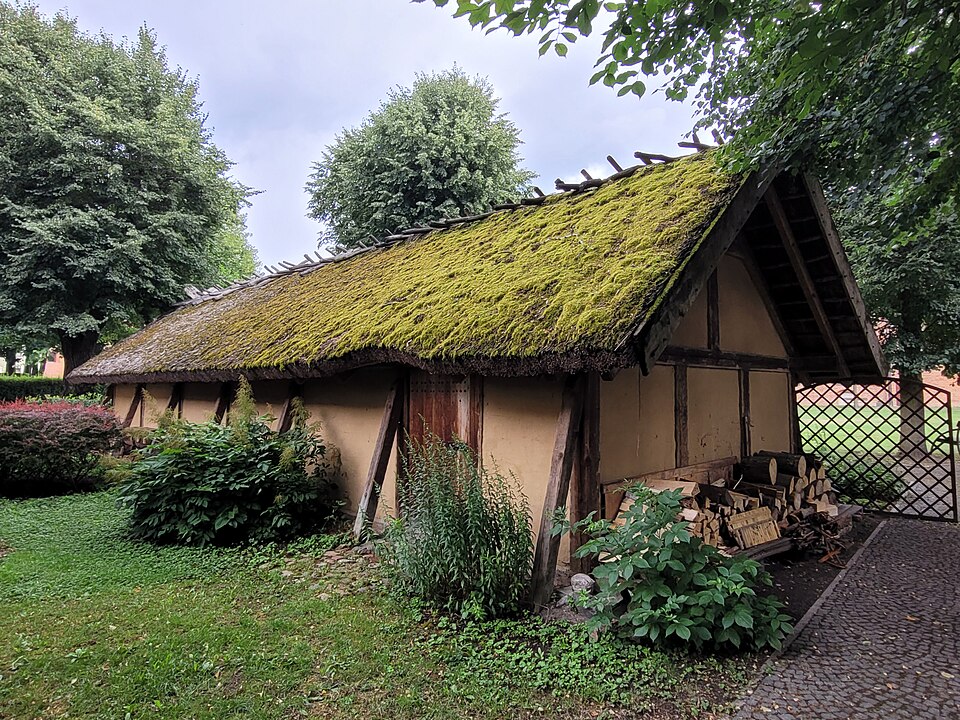
Reported by Medievalists.net (28 September 2026), from the Polish Press Agency, with details from Notes from Poland and portel.pl. Written for Global Finds from those reports. Photo: reconstruction of a Scandinavian house from Truso, Elbläg museum. Bornholm, Wikimedia Commons, CC BY-SA 4.0.
Those four are for England and Wales, where the Portable Antiquities Scheme records finds and the Treasure Act decides what must be reported.
Scotland runs its own system, and every find is reportable there — not only treasure. Treasure Trove Unit ›
The Republic of Ireland is different again, and severely so. Searching for archaeological objects without the Minister’s written consent is a criminal offence carrying fines or imprisonment, and the definition is broad enough to cover coins, buttons and buckles of almost any age. Do not assume British rules travel with you. The law, from the National Museum ›
Northern Ireland is stricter still. The Treasure Act applies and finds go to National Museums NI within fourteen days, but any searching that involves digging — metal detecting expressly included — needs a licence, and licences are only granted for archaeological projects. National Museums NI ›
This site covers discoveries from all over the world, and so does the variation in the law — from a recording scheme that thanks you, to a criminal offence. Wherever you are searching, find out what applies there before you go, not after.