Discoveries by category

Artefacts

Everyday and ceremonial objects that tell us how people lived, worked and worshipped.

Latest Artefacts

8 finds
Mexico · Artefacts ·

Boot of Cortez: The largest surviving gold nugget ever discovered in the Western Hemisphere

Discovered in 1989 by an amateur prospector using a Radio Shack metal detector in Mexico's Sonoran Desert, the "Boot of Cortez" is the largest surviving gold nugget ever found in the Western Hemisphere. Weighing 389.4 troy ounces (over 26 pounds) and measuring nearly 11 inches tall, the boot-shaped specimen is composed of roughly 80 percent gold, with the remainder consisting of silver and quartz. Named after Spanish conquistador Hernán Cortés, the nugget was initially sold by its finder to his employer for $30,000 before eventually fetching more than $1.5 million at auction in 2008.

ArtefactsRead the find
Ref 56
England · Artefacts · Bronze Age ·

Gold ribbon unearthed in Norfolk field could end up in Castle Museum

A rare Middle to Late Bronze Age gold ribbon fragment, discovered by metal detectorist Paul Davis near Hilborough in September 2025, has been officially declared treasure at a Norfolk inquest. Dating back to between 1400 BC and 700 BC, the 4.26-gram hammered gold strip is thought to be part of an ancient penannular bracelet or ribbon torc worn over 3,000 years ago. Following the ruling under the Treasure Act 1996, Norwich Castle Museum has expressed interest in acquiring the piece to add to its archaeology collection and put it on public display.

ArtefactsRead the find
Ref 52
England · Artefacts · Roman ·

Metal detectorist finds 'rare' Roman treasures in Buckinghamshire

Metal detectorist Adam McLelland discovered a rare hoard of nearly 2,000-year-old Roman bronze objects in the Chilterns, Buckinghamshire, which was subsequently excavated with the help of local council archaeologists and Oxford Archaeology. The collection features exceptional items, including two enamelled mounts, a glass gaming counter, a bone die, and notably, the intact pieces and internal "peas" of a fragile bronze rattle—a rare ceremonial artefact seldom found in Britain. Following a private donation to cover essential conservation work, the metal detectorist and landowner donated the full set of artefacts to the Discover Bucks Museum in Aylesbury, where they are being put on public display.

ArtefactsRead the find
Ref 50
England · Artefacts ·

Buried booty and sunken kingdoms: Are these the 14 most thrilling historic treasures ever unearthed in Britain?

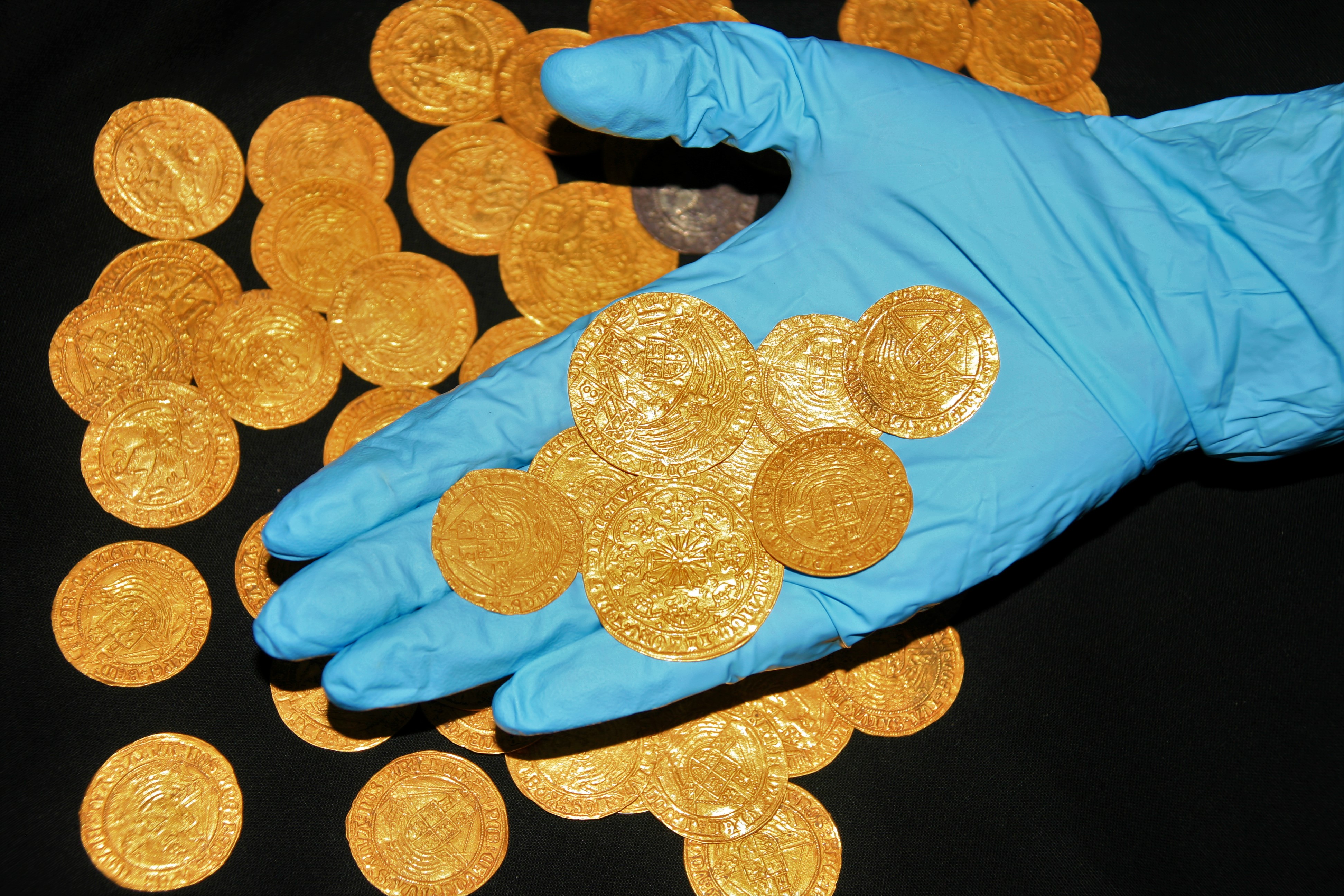
This article highlights fourteen of Britain's most notable historical treasure finds—ranging from Anglo-Saxon gold and Roman coin hoards to Viking silver—uncovered by metal detectorists, archaeologists, and everyday residents. Driven by a surge in home and garden discoveries during the COVID-19 pandemic, these artefacts offer crucial insights into life across various eras of British history. Notable discoveries detailed in the piece include the Staffordshire Hoard, the Galloway Hoard, and the Seaton Down Hoard, along with practical context regarding the legal reporting requirements for treasure finds and the patient mindset required for metal detecting.

ArtefactsRead the find
Ref 35
England · Artefacts · Post-Medieval ·

‘It’s a dream come true find’: Metal detectorist unearths medieval gold cross

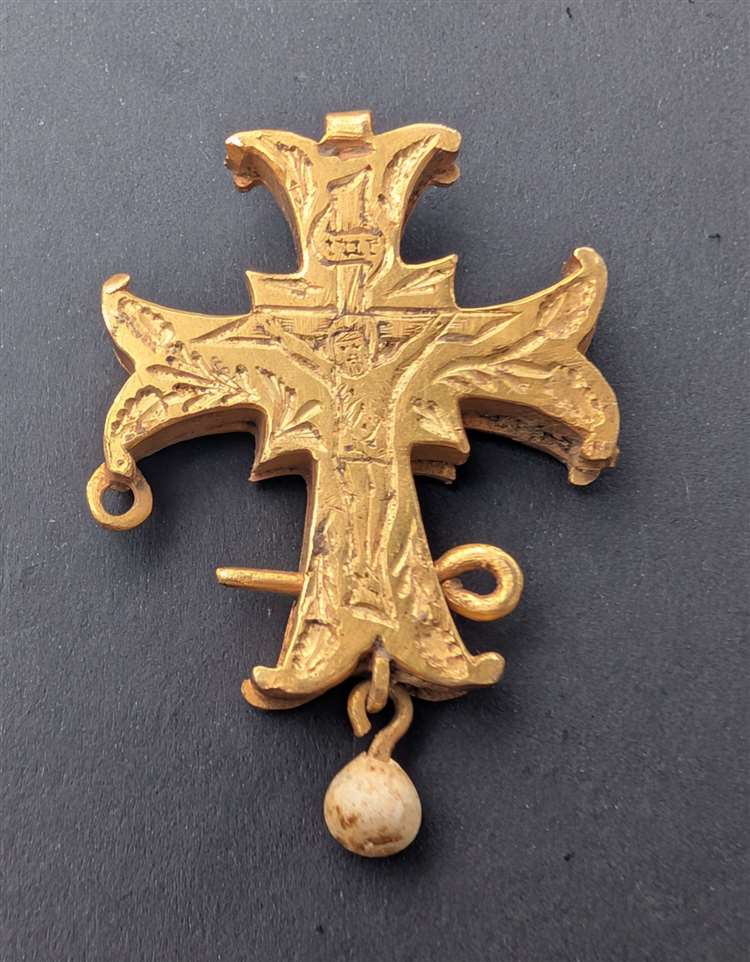
Shelley Couzins, a metal detectorist with the Medway History Finders, unearthed a rare gold cross believed to date back to the medieval or Tudor period while searching a field on the Isle of Sheppey. The 10.6-gram, 2.5 cm pendant—thought to be an intact reliquary cross used to store sacred relics—features detailed engravings of Jesus on one side and Mary with the baby Jesus on the other, along with a hanging pearl and its original pin. Due to concerns about illegal night hunting, the exact location of the discovery is being kept secret. The item has been formally reported under the Treasure Act and handed over to a Finds Liaison Officer for expert evaluation, with the potential to eventually be displayed at the British Museum.

ArtefactsRead the find
Ref 26
Estonia · Artefacts · Bronze Age ·

Metal detectorists double Estonia’s known Bronze Age finds

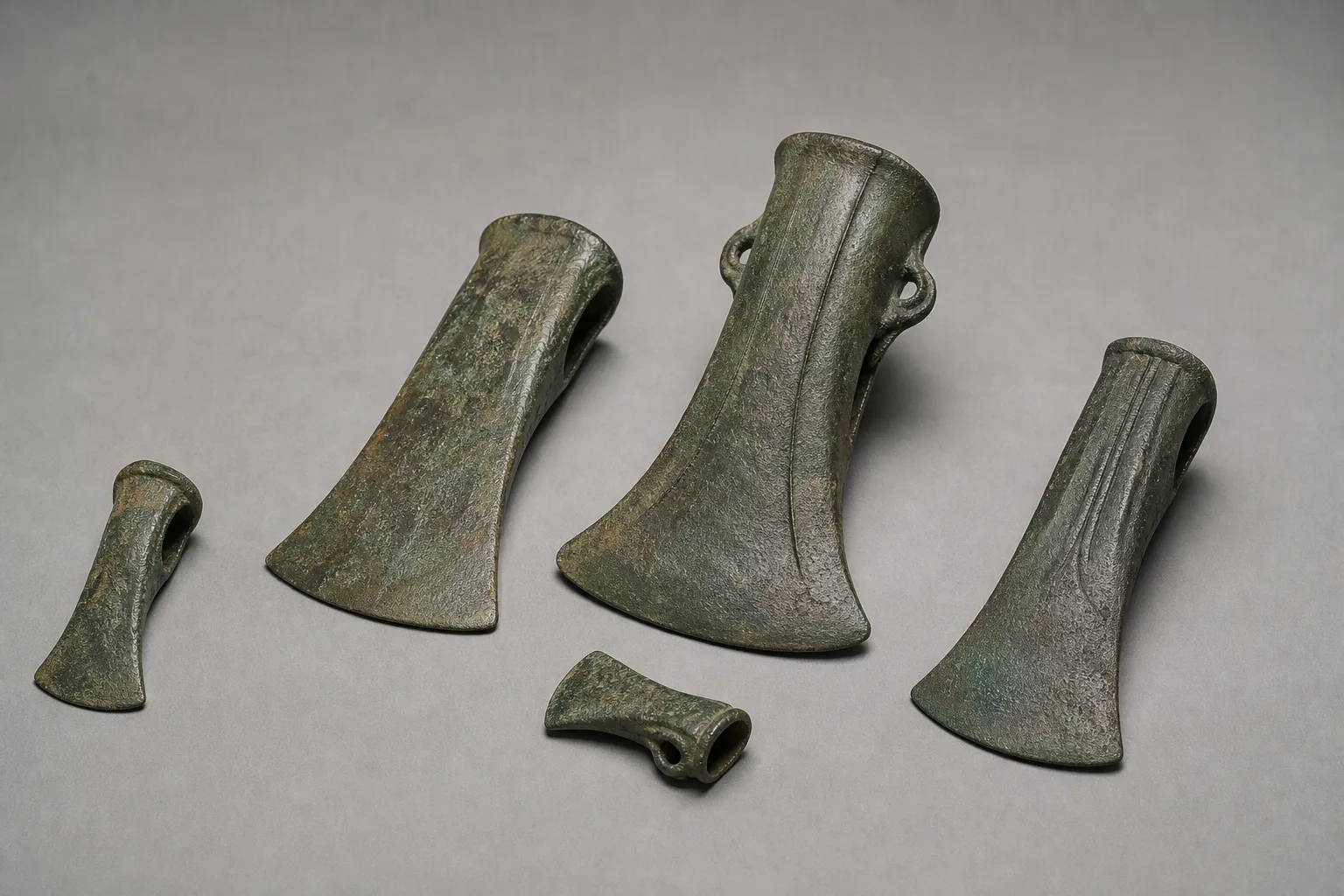
Over the past 20 years, metal detectorists in Estonia have helped double the region's known Bronze Age artifacts—increasing finds from 80 to 160—which significantly updates historians' understanding of ancient metalwork in the area. According to Valter Lang, a professor at the University of Tartu, these discoveries demonstrate that bronze object creation and local casting began roughly 500 to 600 years earlier than previously believed, with local flanged axes (*palstaves*) dating back to around 1400–1300 BCE. The majority of the recovered items are axes concentrated in coastal zones such as near Tallinn, Virumaa, and the islands of Saaremaa and Muhu, reflecting early maritime trade routes. Senior researcher Tuuli Kurisoo emphasizes that these amateur discoveries provide crucial scientific value only when detectorists complete required training, obtain permits, and report the precise location data of their finds to the National Heritage Board.

ArtefactsRead the find
Ref 23
United States · Artefacts · Post-Medieval ·

Metal detector leads treasure hunters to 'exciting' discovery at legendary 17th-century shipwreck, Florida Keys

Treasure hunters exploring the wreck of the 17th‑century Spanish galleon Nuestra Señora de Atocha off the Florida Keys have recovered a heavily encrusted 55‑pound copper ingot, detected after Captain Drake Nicholas picked up a faint signal while following a trail of coins. The Atocha, which sank in a 1622 hurricane while carrying gold, silver and emeralds, has been searched for decades by Mel Fisher’s team, who famously located the ship’s “Mother Lode” in 1985. Copper was a valuable resource in the 1600s, used for casting bronze cannons, and the crude ingot—likely poured into a sand pit—adds to recent finds, including a 22.5‑pound silver bar. Nicholas believes new technology and a cluster of promising deep targets suggest the crew may be closing in on a larger concentration of treasure.

ArtefactsRead the find
Ref 7