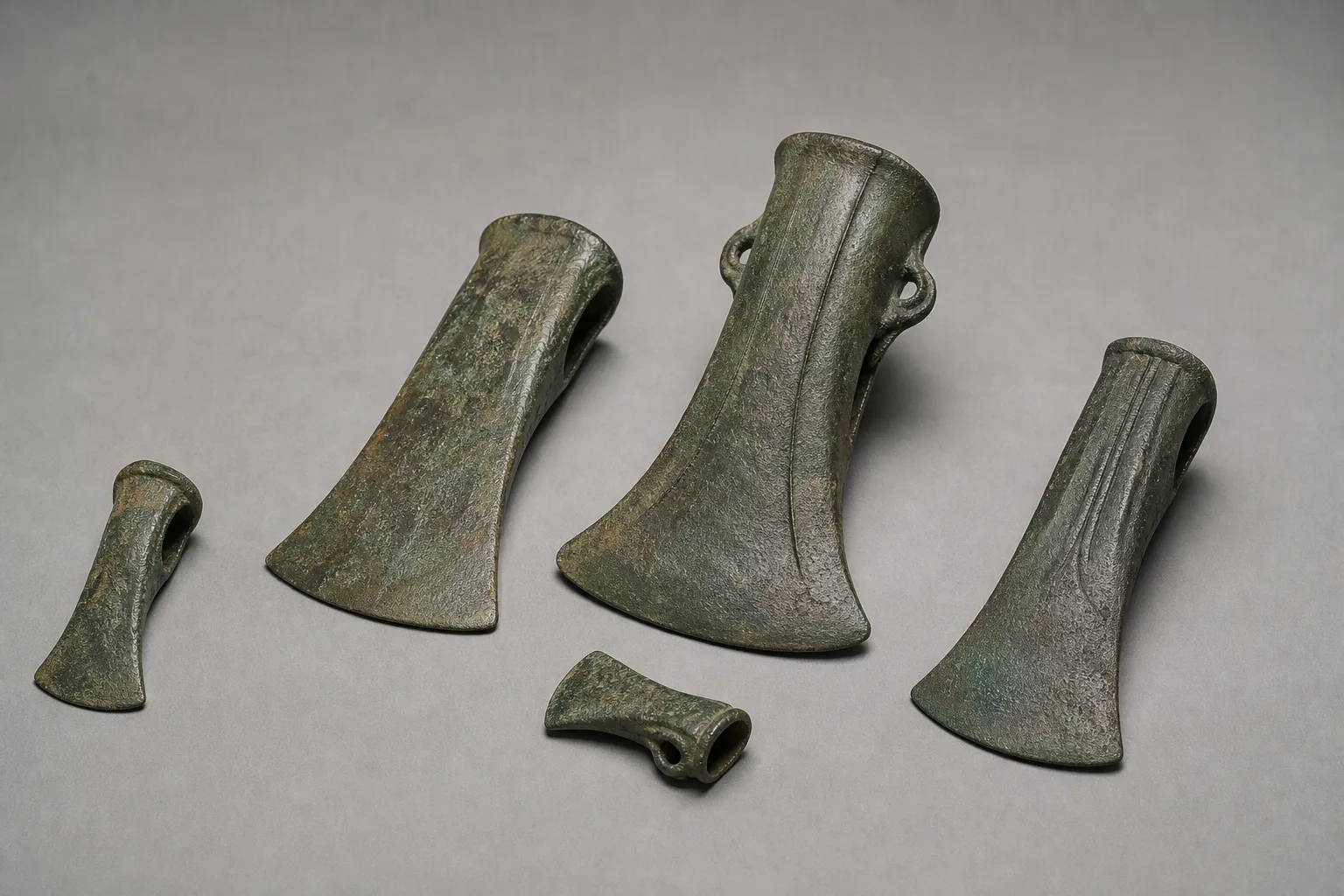
Metal detectorists double Estonia’s known Bronze Age finds
Over the past 20 years, metal detectorists in Estonia have helped double the region's known Bronze Age artifacts—increasing finds from 80 to 160—which significantly updates historians' understanding of ancient metalwork in the area. According to Valter Lang, a professor at the University of Tartu, these discoveries demonstrate that bronze object creation and local casting began roughly 500 to 600 years earlier than previously believed, with local flanged axes (*palstaves*) dating back to around 1400–1300 BCE. The majority of the recovered items are axes concentrated in coastal zones such as near Tallinn, Virumaa, and the islands of Saaremaa and Muhu, reflecting early maritime trade routes. Senior researcher Tuuli Kurisoo emphasizes that these amateur discoveries provide crucial scientific value only when detectorists complete required training, obtain permits, and report the precise location data of their finds to the National Heritage Board.