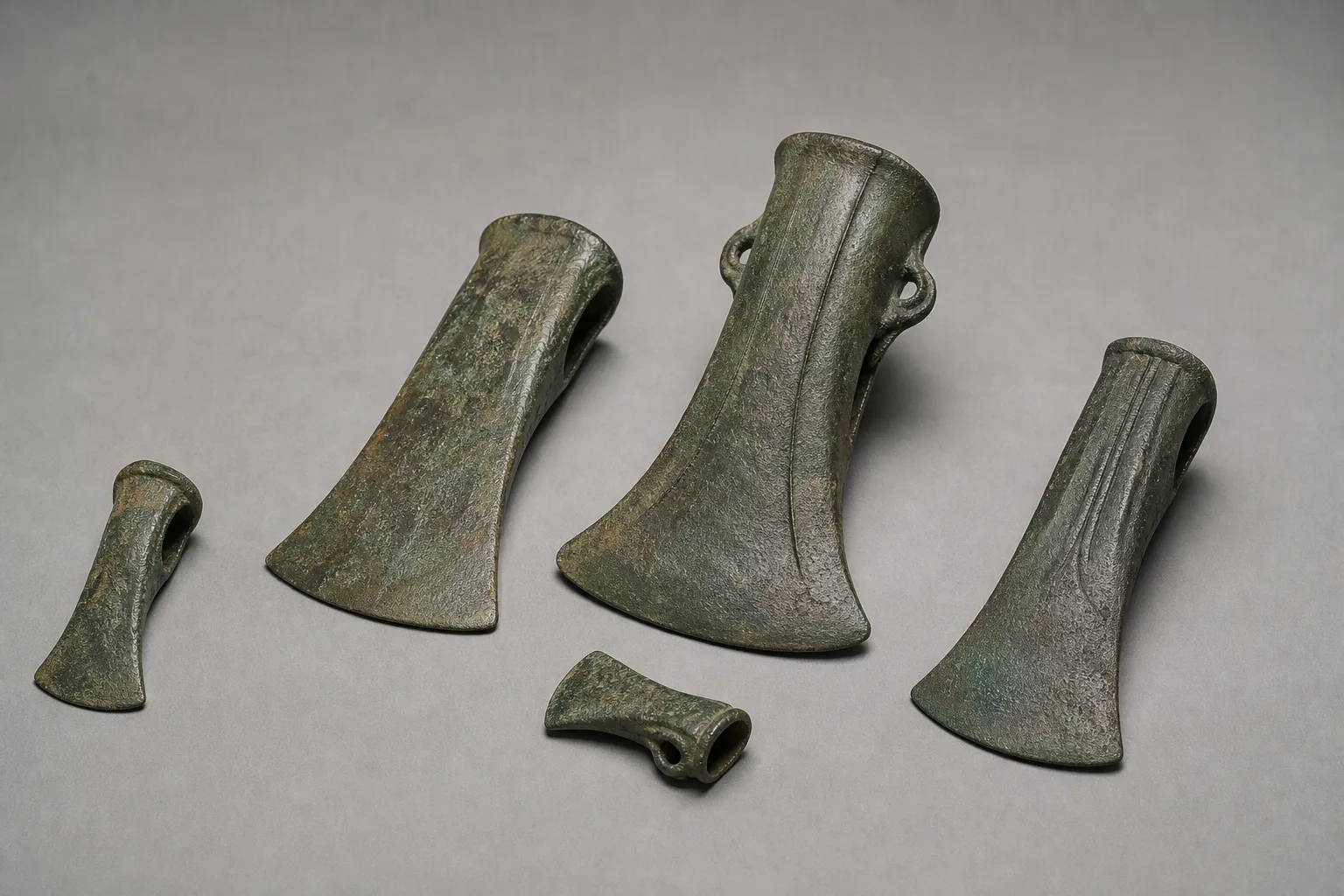
Metal detectorists double Estonia’s known Bronze Age finds
Over the past 20 years, metal detectorists in Estonia have helped double the region's known Bronze Age artifacts—increasing finds from 80 to 160—which significantly updates historians' understanding of ancient metalwork in the area. According to Valter Lang, a professor at the University of Tartu, these discoveries demonstrate that bronze object creation and local casting began roughly 500 to 600 years earlier than previously believed, with local flanged axes (*palstaves*) dating back to around 1400–1300 BCE. The majority of the recovered items are axes concentrated in coastal zones such as near Tallinn, Virumaa, and the islands of Saaremaa and Muhu, reflecting early maritime trade routes. Senior researcher Tuuli Kurisoo emphasizes that these amateur discoveries provide crucial scientific value only when detectorists complete required training, obtain permits, and report the precise location data of their finds to the National Heritage Board.
Reported by UA.NEWS. The full report is linked below.
Those four are for England and Wales, where the Portable Antiquities Scheme records finds and the Treasure Act decides what must be reported.
Scotland runs its own system, and every find is reportable there — not only treasure. Treasure Trove Unit ›
The Republic of Ireland is different again, and severely so. Searching for archaeological objects without the Minister’s written consent is a criminal offence carrying fines or imprisonment, and the definition is broad enough to cover coins, buttons and buckles of almost any age. Do not assume British rules travel with you. The law, from the National Museum ›
Northern Ireland is stricter still. The Treasure Act applies and finds go to National Museums NI within fourteen days, but any searching that involves digging — metal detecting expressly included — needs a licence, and licences are only granted for archaeological projects. National Museums NI ›
This site covers discoveries from all over the world, and so does the variation in the law — from a recording scheme that thanks you, to a criminal offence. Wherever you are searching, find out what applies there before you go, not after.