Metal Detectorists Dug up 141 Roman Gold Coins - Along with a 1,600 year old mystery!
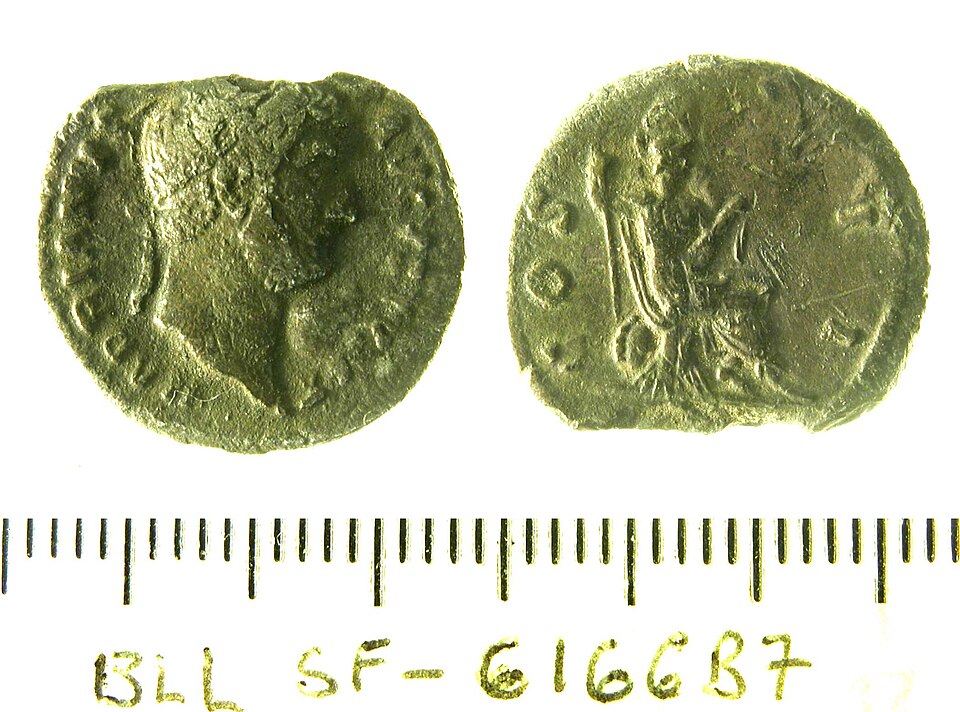
Archaeologists in Luxembourg uncovered a hoard of 141 late‑Roman gold solidi after two fieldworkers first reported 38 coins found at a site in Holzthum in 2019. Excavations between 2020 and 2024 revealed the coins had been buried near a Roman burgus watchtower and dated between 362 and 402 CE, representing almost every mint and emperor of the era. The hoard is unusual for its large share of coins from Nicomedia and Antiochia, suggesting movement of imperial troops and donatives from Anatolia westward toward the Rhine frontier. Despite extensive research, no crisis or event explains why such wealth was hidden, and the stash appears to have remained untouched for 1,600 years. Luxembourg’s Ministry of Culture acquired the hoard for about $322,000, and ongoing analysis aims to clarify how these coins travelled and why they were never retrieved.
Reported by Popular Mechanics. The full report is linked below.
Those four are for England and Wales, where the Portable Antiquities Scheme records finds and the Treasure Act decides what must be reported.
Scotland runs its own system, and every find is reportable there — not only treasure. Treasure Trove Unit ›
The Republic of Ireland is different again, and severely so. Searching for archaeological objects without the Minister’s written consent is a criminal offence carrying fines or imprisonment, and the definition is broad enough to cover coins, buttons and buckles of almost any age. Do not assume British rules travel with you. The law, from the National Museum ›
Northern Ireland is stricter still. The Treasure Act applies and finds go to National Museums NI within fourteen days, but any searching that involves digging — metal detecting expressly included — needs a licence, and licences are only granted for archaeological projects. National Museums NI ›
This site covers discoveries from all over the world, and so does the variation in the law — from a recording scheme that thanks you, to a criminal offence. Wherever you are searching, find out what applies there before you go, not after.