Man's metal detector wouldn't stop beeping, leading to record-breaking trove of ancient Roman coins
A volunteer detectorist near Cologne kept getting signals, and the result is 934 Roman silver coins, the largest coin hoard from the time of Hadrian ever found in Germany.
In 2025, Oliver Riedl, an amateur archaeologist, was detecting in a field near Wesseling, south of Cologne, when his detector kept on signalling after the first coins came up. Instead of carrying on, he called in the authorities, and the archaeologists of the Rhineland's heritage service, the LVR, took over.
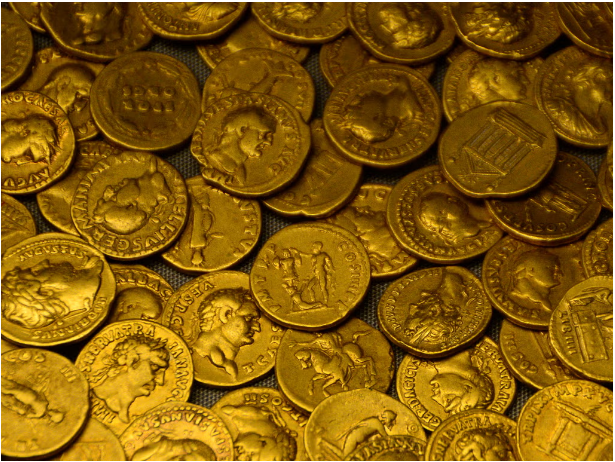
The hoard came to 934 silver denarii weighing 3.1 kilograms. Most were struck under the Flavian emperors, between AD 69 and 96, but the oldest dates back to 148 BC. The archaeologists believe the coins were buried in the second quarter of the second century AD, during or soon after the reign of Hadrian, which makes it the largest coin hoard from his time ever found in Germany.
It was a fortune for one person rather than a treasury. The museum puts it in terms of a Roman legionary, who earned around 300 denarii a year: after the usual deductions, he would have needed about six years to save this much.
Why it was never recovered is unknown. Erich Claßen, the Rhineland's state archaeologist, has suggested the owner may have died before coming back for it, without passing on where it was hidden.
The hoard went on display at the LVR-LandesMuseum in Bonn on 22 September 2026.
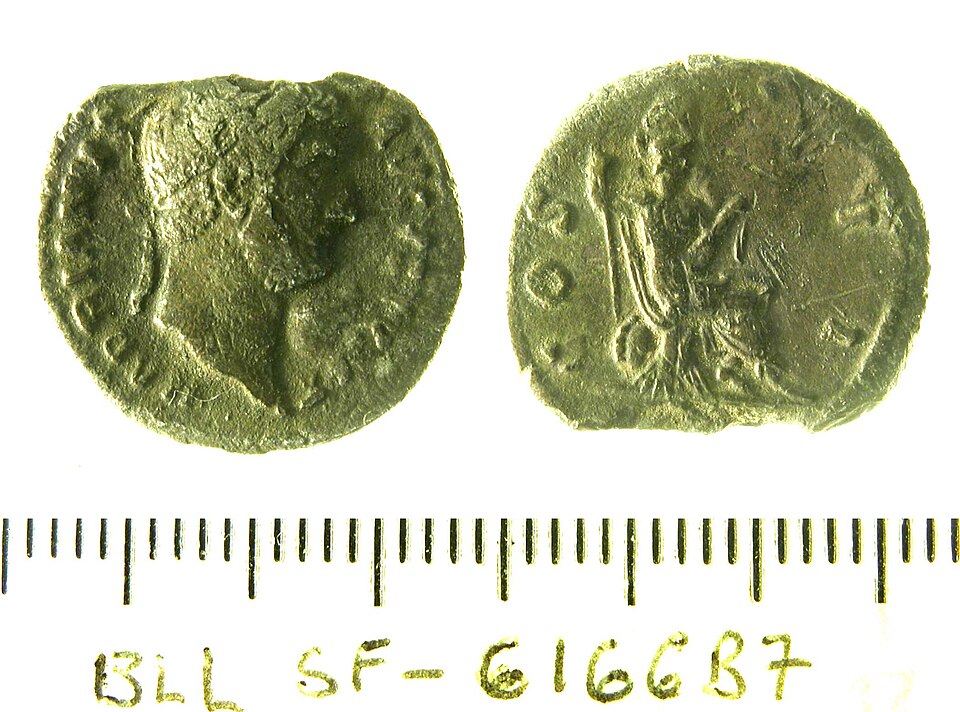
Reported by CBS News (22 September 2026), from the LVR's press release. Written for Global Finds from that report. Photo: a denarius of Hadrian found in Suffolk and recorded with the Portable Antiquities Scheme (not from this hoard), Suffolk County Council, Jane Carr, Wikimedia Commons, CC BY-SA 4.0.
Those four are for England and Wales, where the Portable Antiquities Scheme records finds and the Treasure Act decides what must be reported.
Scotland runs its own system, and every find is reportable there — not only treasure. Treasure Trove Unit ›
The Republic of Ireland is different again, and severely so. Searching for archaeological objects without the Minister’s written consent is a criminal offence carrying fines or imprisonment, and the definition is broad enough to cover coins, buttons and buckles of almost any age. Do not assume British rules travel with you. The law, from the National Museum ›
Northern Ireland is stricter still. The Treasure Act applies and finds go to National Museums NI within fourteen days, but any searching that involves digging — metal detecting expressly included — needs a licence, and licences are only granted for archaeological projects. National Museums NI ›
This site covers discoveries from all over the world, and so does the variation in the law — from a recording scheme that thanks you, to a criminal offence. Wherever you are searching, find out what applies there before you go, not after.