Roman coin hoard discovered by amateur detectorist
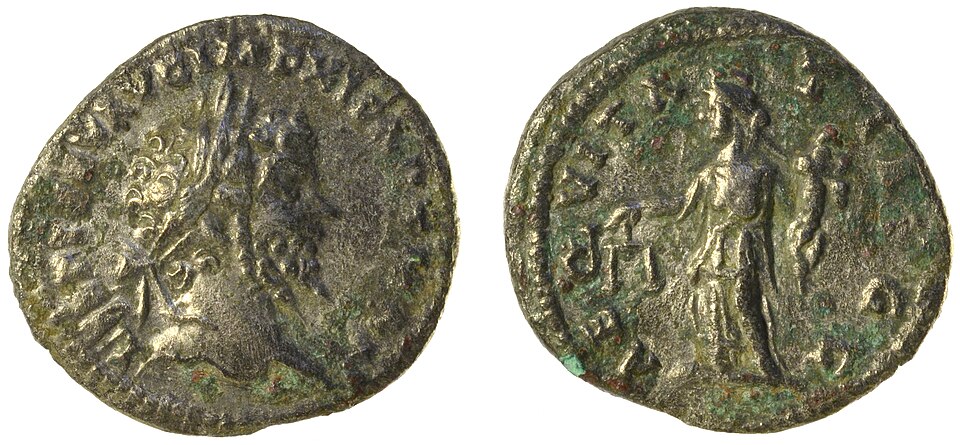
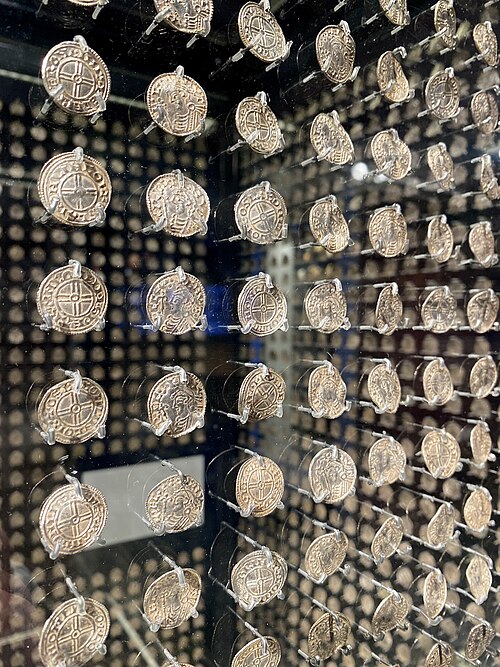
A newcomer to detecting found 268 Roman silver denarii on Herefordshire farmland in 2019. Six years on, the hoard has come home and is on free public display in Leominster.
Nigel Taylor had been metal detecting for only a few months when he found a hoard of 268 Roman silver coins on farmland between Weobley and Dilwyn, in Herefordshire, in February 2019.
He had done the groundwork first. Before searching, he agreed with the landowner that anything of value would be split 50/50 and reported to the local Finds Liaison Officer, then Peter Reavill, a landscape archaeologist based at Ludlow Museum.
The early finds were unremarkable: scraps of lead and a medieval coin. On a later visit, Mr Taylor found a coin his wife Helen thought might be Roman. Mr Reavill confirmed it: a silver denarius of Septimius Severus, emperor from AD 193 to 211. Mr Taylor kept searching the same area and more coins followed, until he reached the hoard itself, around two feet down, with the remains of the pot or container it had been buried in.
The coins were lifted onto a seed tray before the light failed. The finders then kept the site to themselves while the Treasure process ran, to stop anyone else digging there.
The hoard, now known as the Weobley Hoard, went to the British Museum to be cleaned, catalogued and valued independently. Six years later it was returned to the finder and the landowner, which is what happens when no museum acquires a Treasure find.
It is now on show, free of charge, in a shop in the old Barclays bank building on Corn Street, Leominster, run by Natalie Atkinson and Keli Partridge. The Taylors and the landowner have thanked them for giving the coins a public home.
Reported by the Hereford Times (11 August 2026). Written for Global Finds from that report. Photo: a denarius of Septimius Severus found in Suffolk and recorded with the Portable Antiquities Scheme (not from this hoard). Suffolk County Council, Andrew Brown, Wikimedia Commons, CC BY-SA 4.0.
Approximate location52.17, -2.86View on map
Source: The Hereford Times