Roman silver hoard with 45 coins and a gold ring found on Sweden’s Gotland
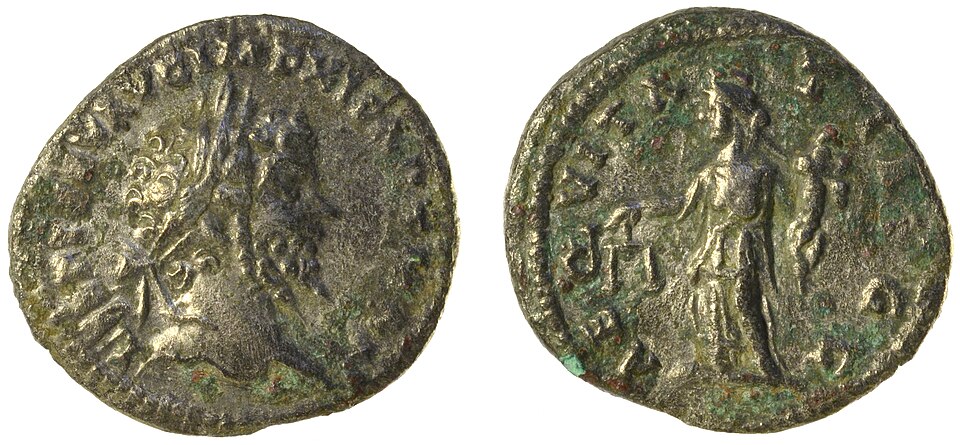
A detector survey ahead of a military expansion on Gotland has found 45 Roman silver coins and a gold ring, buried at an ancient farm around AD 450.
Forty-five Roman silver coins and a gold finger ring have been found at the site of an ancient farm near the Tofta shooting range on Gotland, the Swedish island in the Baltic.
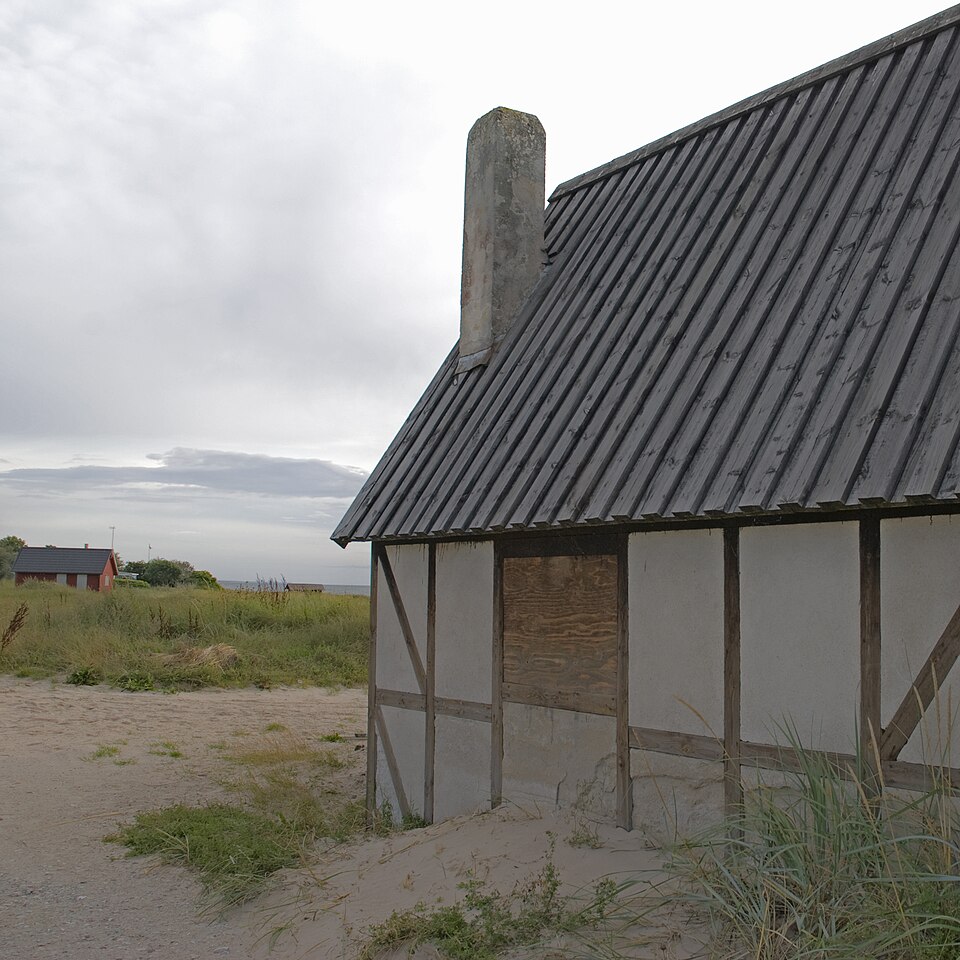
The find was made during an archaeological survey by Gotlands Museum and the consultancy Arendus, carried out because the Gotland Regiment is expanding onto the land. The detector was in the hands of Daniel Klintholm, searching on behalf of the Swedish Armed Forces. The hoard lay close to the gable end of a building, at a farm complex thought to be the one known as Bars.
The coins are denarii. Lennart Lind, a specialist in Roman coins who identified them for the museum, found five emperors represented, from Trajan through Hadrian, Antoninus Pius and Marcus Aurelius to Commodus, and four empresses: Sabina, Faustina the Elder, Faustina the Younger and Lucilla. The run covers almost a century, ending in the late second century AD.
That is not when they were buried. According to Lind, coins like these reached Gotland in the fourth century and were still in use in the fifth. The gold ring is of a form that belongs to the middle of the fifth century, and radiocarbon dates from animal bones found in the same building point to the same period. Together they place the burial at around AD 450, some two and a half centuries after the newest coin was struck.
Reported by Archaeology News Online Magazine (September 2026), from Gotlands Museum. Written for Global Finds from that report. Photo: Tofta, Gotland, Berit, Wikimedia Commons, CC BY 2.0.
Those four are for England and Wales, where the Portable Antiquities Scheme records finds and the Treasure Act decides what must be reported.
Scotland runs its own system, and every find is reportable there — not only treasure. Treasure Trove Unit ›
The Republic of Ireland is different again, and severely so. Searching for archaeological objects without the Minister’s written consent is a criminal offence carrying fines or imprisonment, and the definition is broad enough to cover coins, buttons and buckles of almost any age. Do not assume British rules travel with you. The law, from the National Museum ›
Northern Ireland is stricter still. The Treasure Act applies and finds go to National Museums NI within fourteen days, but any searching that involves digging — metal detecting expressly included — needs a licence, and licences are only granted for archaeological projects. National Museums NI ›
This site covers discoveries from all over the world, and so does the variation in the law — from a recording scheme that thanks you, to a criminal offence. Wherever you are searching, find out what applies there before you go, not after.