Two people made an extraordinary discovery inside an iron box while on a leisurely hike in the woods
Two hikers in north-east Czechia found 598 gold coins and a box of jewellery hidden in an old field wall, and handed everything to the regional museum the same day.
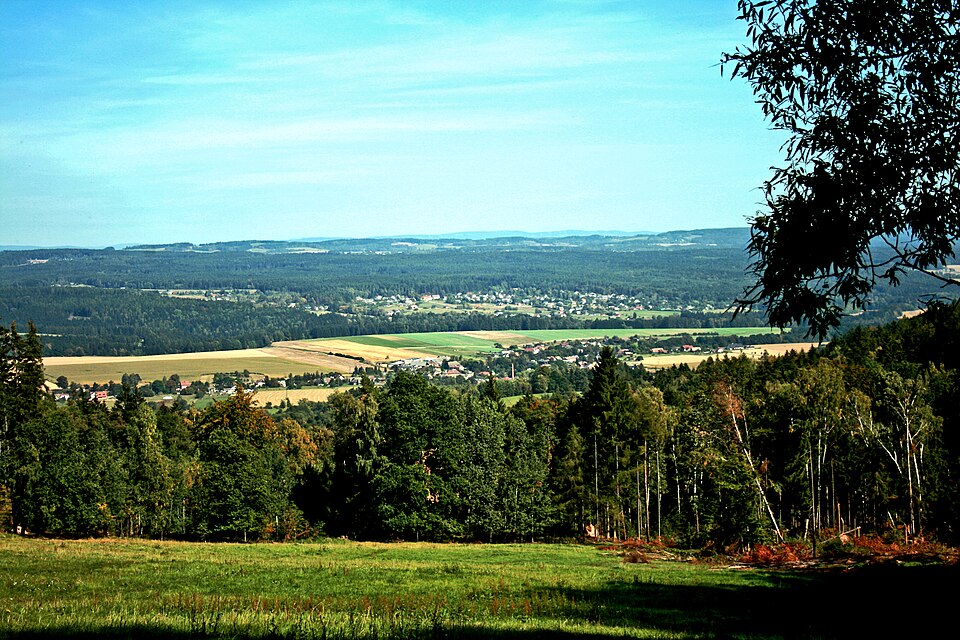
In early February 2025, two hikers on the south-western slope of Zvičina hill, near Dvůr Králové nad Labem in the foothills of the Krkonoše mountains, noticed an aluminium container sticking out of a stone wall at the edge of an old field.
Inside were 598 gold coins, stacked in eleven columns and wrapped in black fabric. About a metre away was an iron box holding ten bracelets, sixteen cigarette cases, a wire-mesh purse, a comb, a chain and a powder compact, all in yellow metal. The whole find weighs about 7 kilograms, of which the coins account for about 3.75 kilograms. The hikers took everything to the Museum of Eastern Bohemia in Hradec Králové the same day.
The coins were struck between 1808 and 1915. Most are French, with others from Austria-Hungary, Belgium, the Ottoman Empire, Russia, Italy and Romania. There are no German marks and no Czechoslovak crowns. Several carry countermarks applied in the Serbian and Bosnian provinces of Yugoslavia in 1921, so the hoard cannot have been hidden before then. The museum's director, Petr Grulich, has said it is impossible to tell whether it was Czech, German or Jewish gold.
After the gold was checked by the assay office, the two finders were told they would share a reward of 11.7 million Czech crowns, more than the first estimate of 7.5 million.
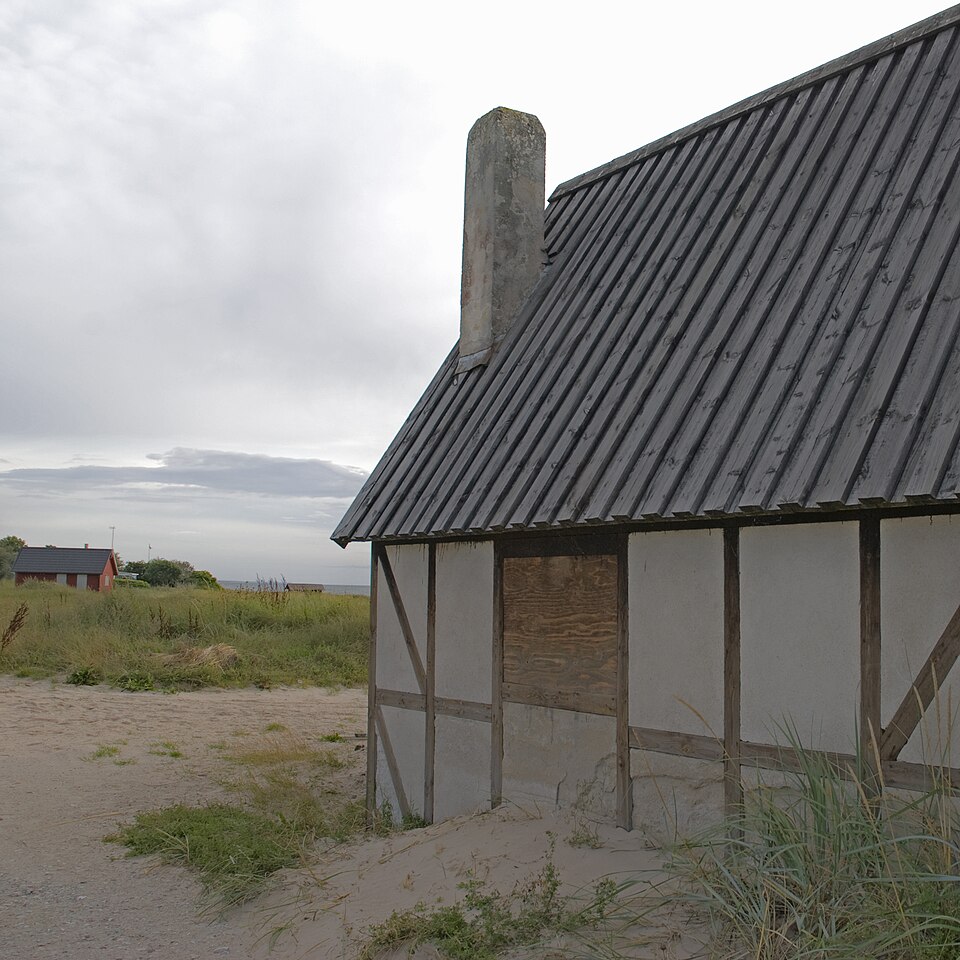
Reported by Earth.com (22 September 2026), from the Museum of Eastern Bohemia. Written for Global Finds from that report. Photo: the view from Zvičina hill, Karelj, Wikimedia Commons, public domain.
Those four are for England and Wales, where the Portable Antiquities Scheme records finds and the Treasure Act decides what must be reported.
Scotland runs its own system, and every find is reportable there — not only treasure. Treasure Trove Unit ›
The Republic of Ireland is different again, and severely so. Searching for archaeological objects without the Minister’s written consent is a criminal offence carrying fines or imprisonment, and the definition is broad enough to cover coins, buttons and buckles of almost any age. Do not assume British rules travel with you. The law, from the National Museum ›
Northern Ireland is stricter still. The Treasure Act applies and finds go to National Museums NI within fourteen days, but any searching that involves digging — metal detecting expressly included — needs a licence, and licences are only granted for archaeological projects. National Museums NI ›
This site covers discoveries from all over the world, and so does the variation in the law — from a recording scheme that thanks you, to a criminal offence. Wherever you are searching, find out what applies there before you go, not after.