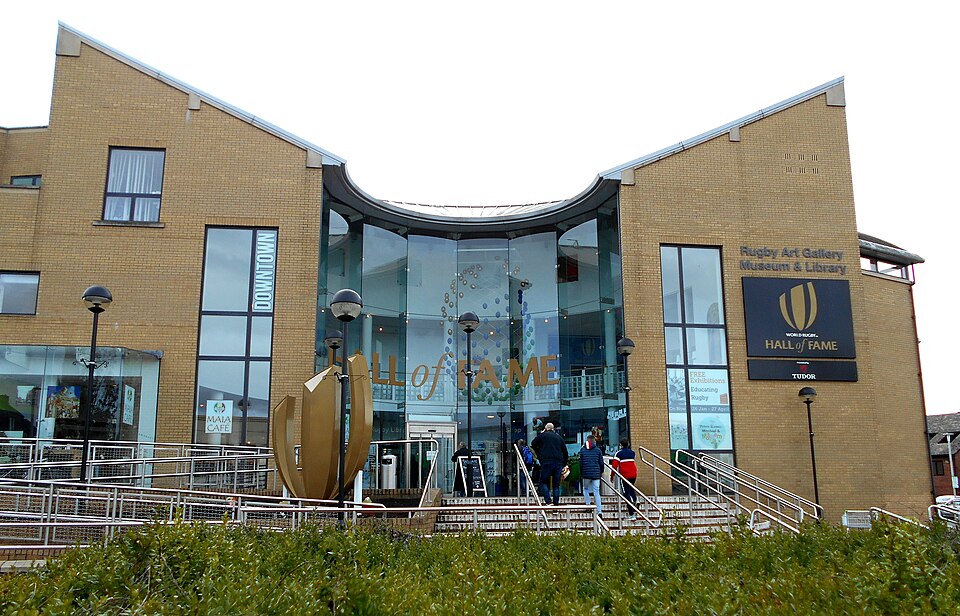
A 14th-century gold finger ring found by a detectorist near Rugby in 2023 has been declared Treasure, recorded with the PAS, and bought by Rugby Art Gallery and Museum.
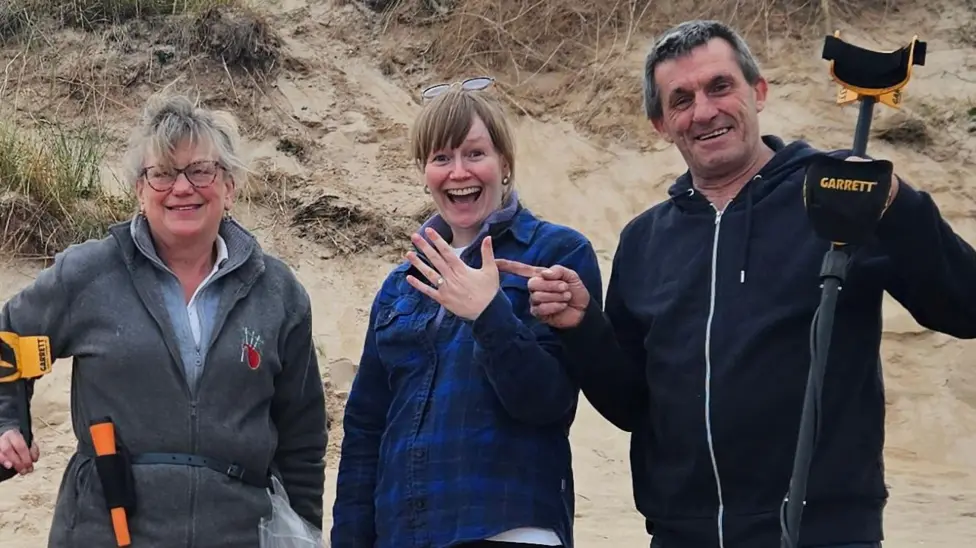
In Embleton Bay, Northumberland, newlyweds Sarah Stone and Logan Mills lost their family heirloom wedding rings while swimming on their honeymoon. After local advice led them to contact Craster-based metal detectorists Andy Grant and Lorna Rawlings, the pair searched the beach and recovered the lost rings within just five minutes.
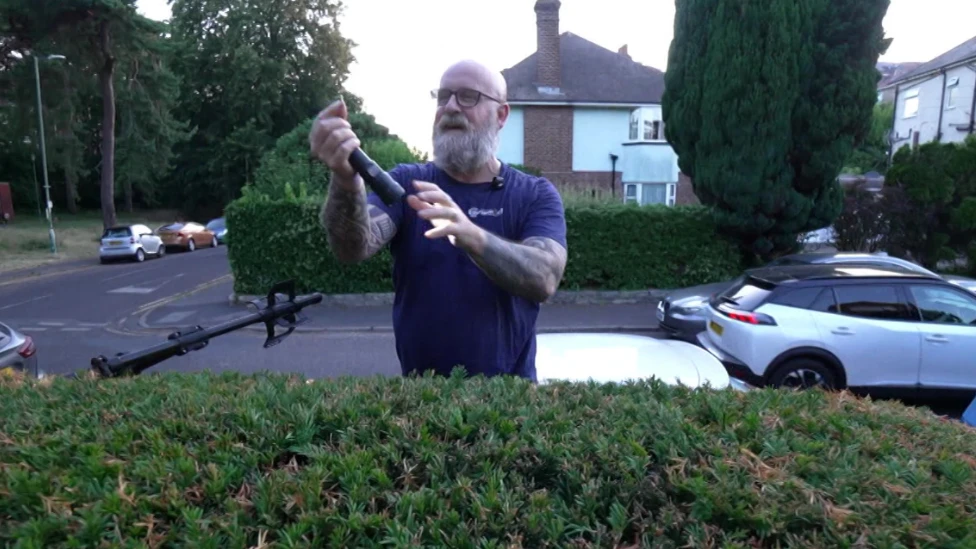
Darren Wiles, a metal detectorist from Bournemouth who runs a free lost item recovery service, recently recovered his 500th lost item: an engagement ring belonging to Abi Colborne. After Colborne accidentally threw the ring into a bush during an argument, Wiles stood on a wheelie bin and used his detector to locate the ring resting right at the top of the hedge. Wiles offers his detectorist services for free but accepts optional donations for Meredith's Mission, a local children's cancer charity, which has raised over £1,100 through his efforts.
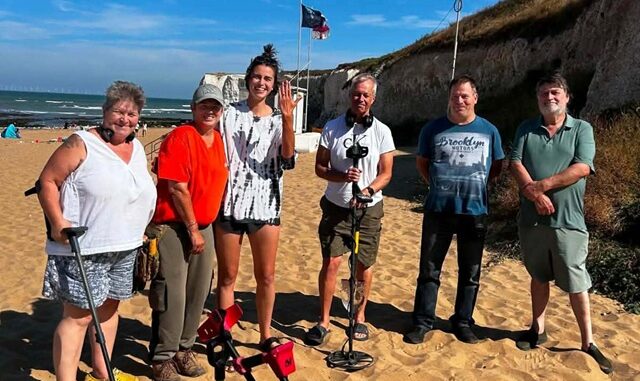
Visitor Grace Brockhus lost her wedding ring at Botany Bay on August 25 after it went missing from her sunglasses case while she was swimming. Following a recommendation from a bystander, she contacted the residents' group via contact details on newly installed community signs at The Gallops in Cliftonville. The request was shared through local networks and reached Thanet Metal Detecting members, prompting volunteers—including member Hayley, who searched for five hours—to hunt for the ring until Hayley successfully uncovered it in the sand around 3:30 PM. In gratitude for the community's swift support, Grace made a £30 donation to the Friends of The Gallops fundraising appeal to assist with ongoing land maintenance.
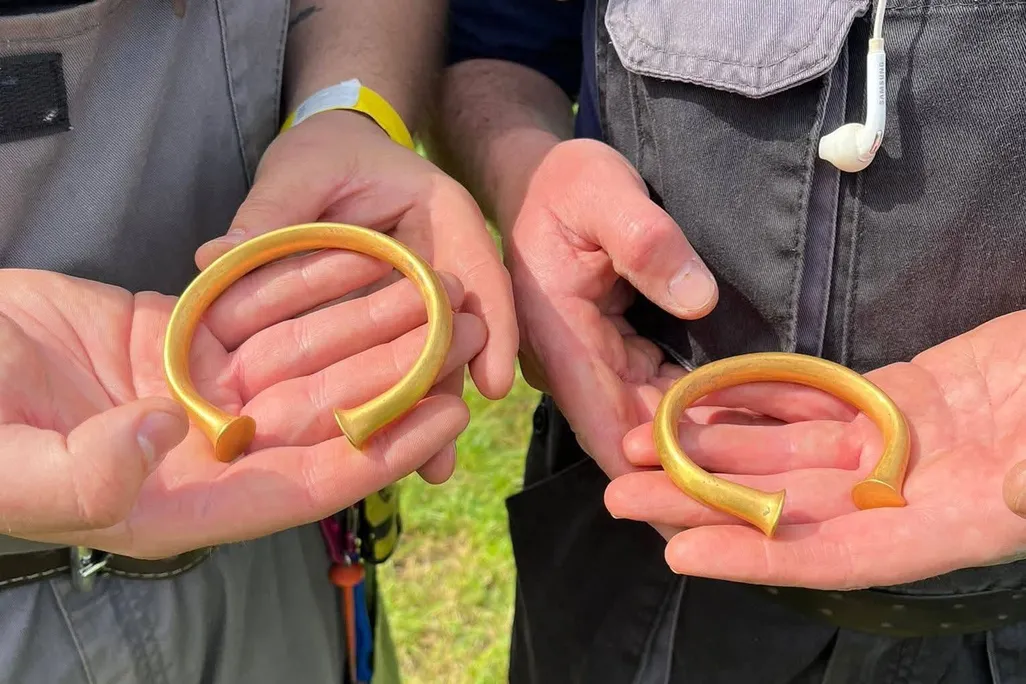
In May 2026, metal detectorists Andy Crammond and Alan Daniels discovered three complete 3,000-year-old Bronze Age gold armbands (torcs) near Carlisle, along the Scottish-English border. Found during a four-day metal-detecting rally organized alongside a local protest against a proposed National Grid electricity substation, the torcs date back to around 1100 B.C.E., weigh 18.3 ounces combined, and are estimated to be worth over $400,000. Experts from the British Museum are currently evaluating the artifacts to determine whether they meet the legal definition of "treasure," which could lead to a museum acquisition and financial proceeds split among the detectorists and the landowner. Local community members hope these historic finds—which were found alongside a Viking brooch and a Roman coin hoard—will help designate the area as protected and prevent the construction of the energy project.
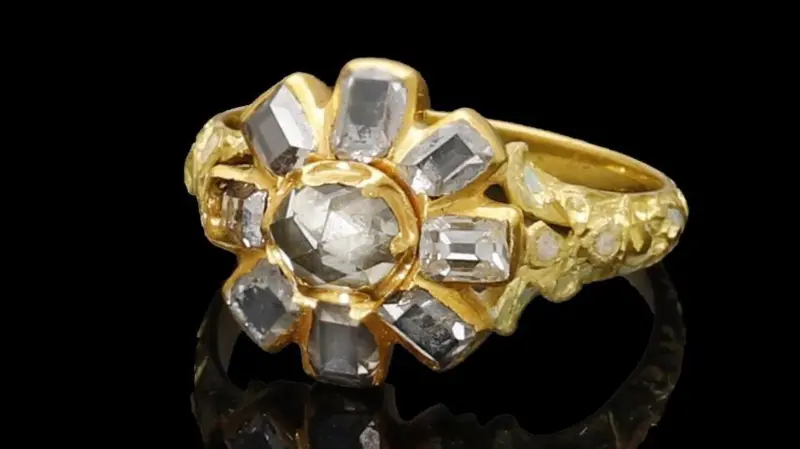
Metal detectorist Stuart Jones discovered a 400-year-old diamond cluster gold ring in Wormington, Gloucestershire, in November 2024, which recently sold at auction for £17,000 to an English phone bidder. Examined by the British Museum and auction specialists, the 19.2-carat Tudor-era ring features a rare flowerhead bezel set with eight hogback diamonds. Jones expressed overwhelming joy at the sale and plans to split the proceeds with the landowner, noting that bringing such a piece of history back into the public eye was an incredibly rewarding experience.
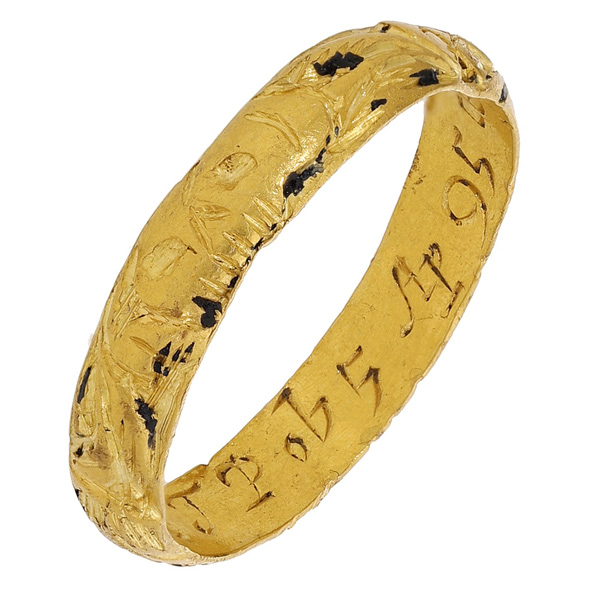
A metal detectorist named Amanda Parker unearthed a 17th-century gold memorial ring on a farm in Catforth, Lancashire, buried eight inches underground. The ring features floral engraving, a skull motif, and an inscription bearing the name of Dr. Richard Busby, a prominent headmaster of Westminster School who died in 1695 and left money in his will for memorial rings to be distributed to staff, students, and associates. Parker discovered the ring in August 2024 and shared it with delighted staff at Westminster School before putting it up for auction at Noonans in London, where it was estimated to sell for £3,000 (about $4,000).
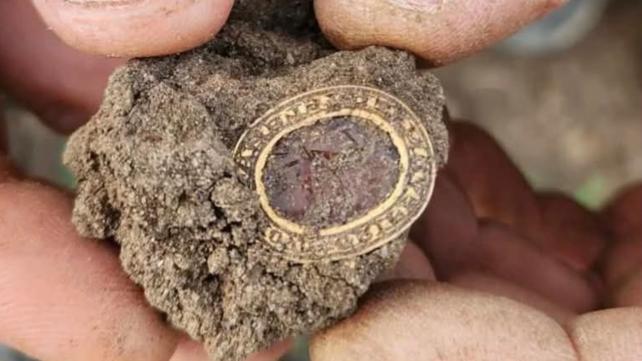
A pair of metal‑detectorists searching farmland near Stoke Ash in Suffolk uncovered an exceptionally rare 14th‑century medieval gold seal ring, likely once owned by Matilda of Lancaster, Countess of Ulster. After a slow morning and a near‑abandoned faulty headset, Aaron Pizzey struck a strong signal and unearthed the gold ring, which features a carnelian intaglio of a griffin and a Lombardic inscription. The find was reported to the local liaison officer and is now heading to auction at Noonans Mayfair, where it is expected to fetch £10,000–£12,000, with the proceeds split between the detectorists and the landowner.