Metal Detectorists Thought They'd Hit the Jackpot When They Discovered a Gold Bracelet Dating to the Bronze Age.
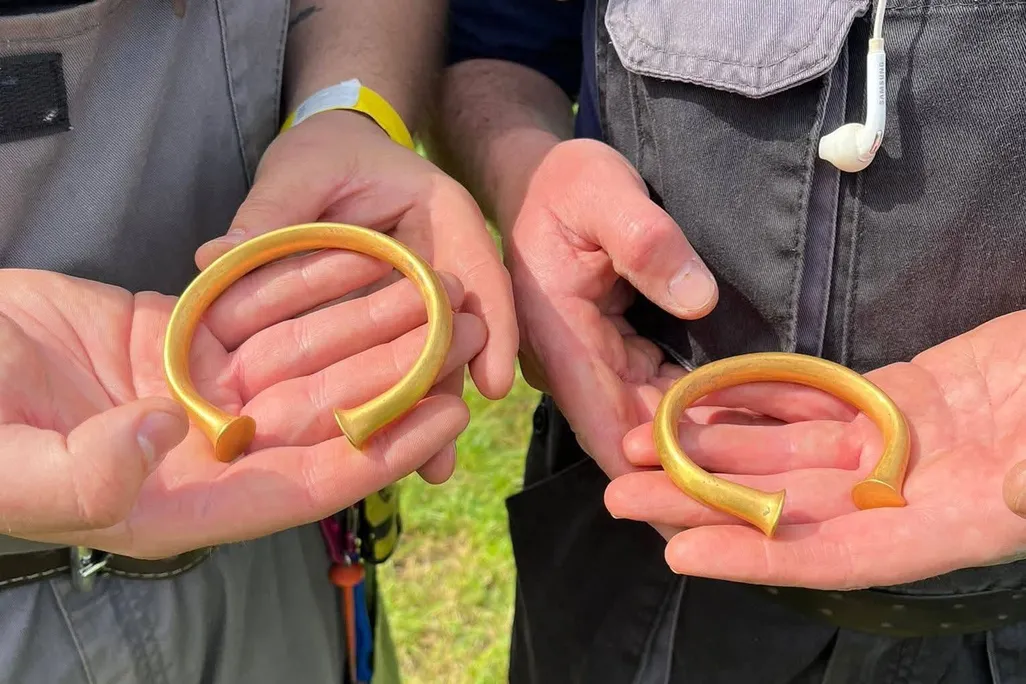
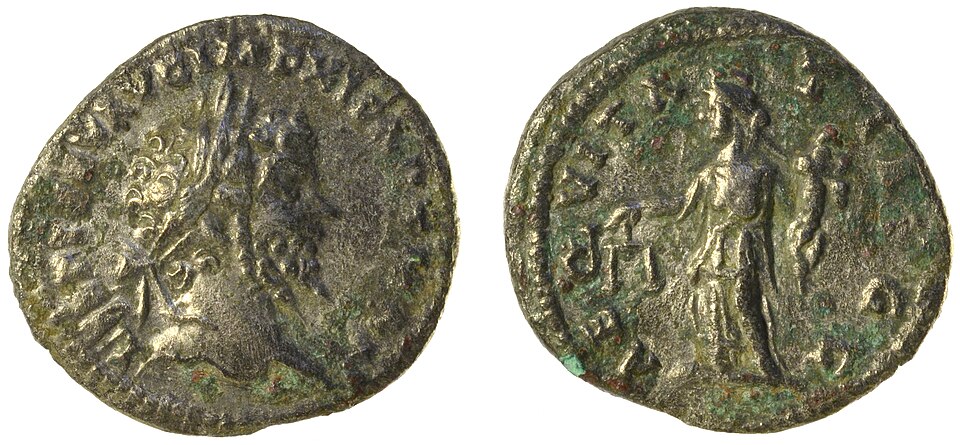
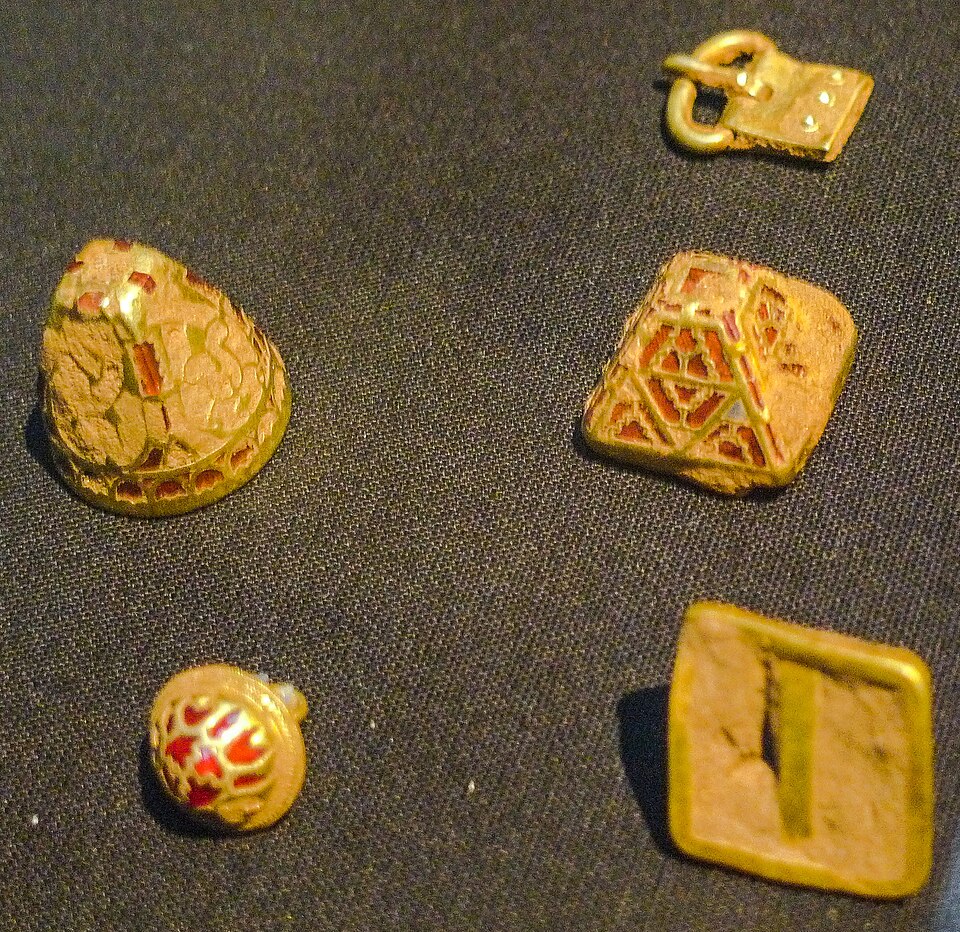
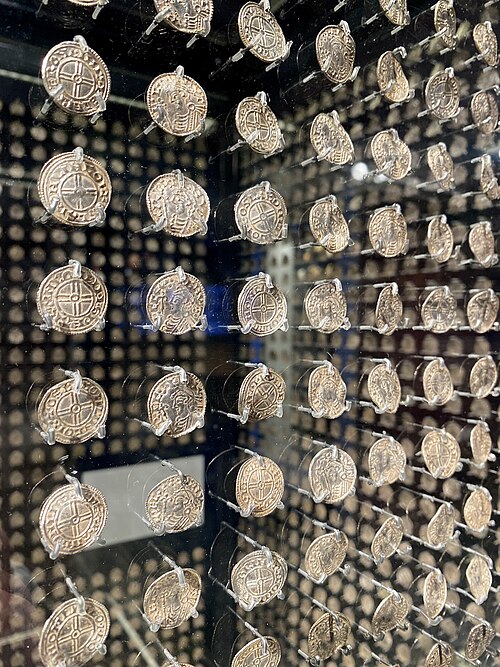
In May 2026, metal detectorists Andy Crammond and Alan Daniels discovered three complete 3,000-year-old Bronze Age gold armbands (torcs) near Carlisle, along the Scottish-English border. Found during a four-day metal-detecting rally organized alongside a local protest against a proposed National Grid electricity substation, the torcs date back to around 1100 B.C.E., weigh 18.3 ounces combined, and are estimated to be worth over $400,000. Experts from the British Museum are currently evaluating the artifacts to determine whether they meet the legal definition of "treasure," which could lead to a museum acquisition and financial proceeds split among the detectorists and the landowner. Local community members hope these historic finds—which were found alongside a Viking brooch and a Roman coin hoard—will help designate the area as protected and prevent the construction of the energy project.
At first, Andy Crammond thought the object was a bull's nose ring. Other artifacts unearthed nearby include a Viking brooch, a Roman coin hoard and a Bronze Age ax head
Reported by Smithsonian Smart News. The full report is linked below.
Those four are for England and Wales, where the Portable Antiquities Scheme records finds and the Treasure Act decides what must be reported.
Scotland runs its own system, and every find is reportable there — not only treasure. Treasure Trove Unit ›
The Republic of Ireland is different again, and severely so. Searching for archaeological objects without the Minister’s written consent is a criminal offence carrying fines or imprisonment, and the definition is broad enough to cover coins, buttons and buckles of almost any age. Do not assume British rules travel with you. The law, from the National Museum ›
Northern Ireland is stricter still. The Treasure Act applies and finds go to National Museums NI within fourteen days, but any searching that involves digging — metal detecting expressly included — needs a licence, and licences are only granted for archaeological projects. National Museums NI ›
This site covers discoveries from all over the world, and so does the variation in the law — from a recording scheme that thanks you, to a criminal offence. Wherever you are searching, find out what applies there before you go, not after.