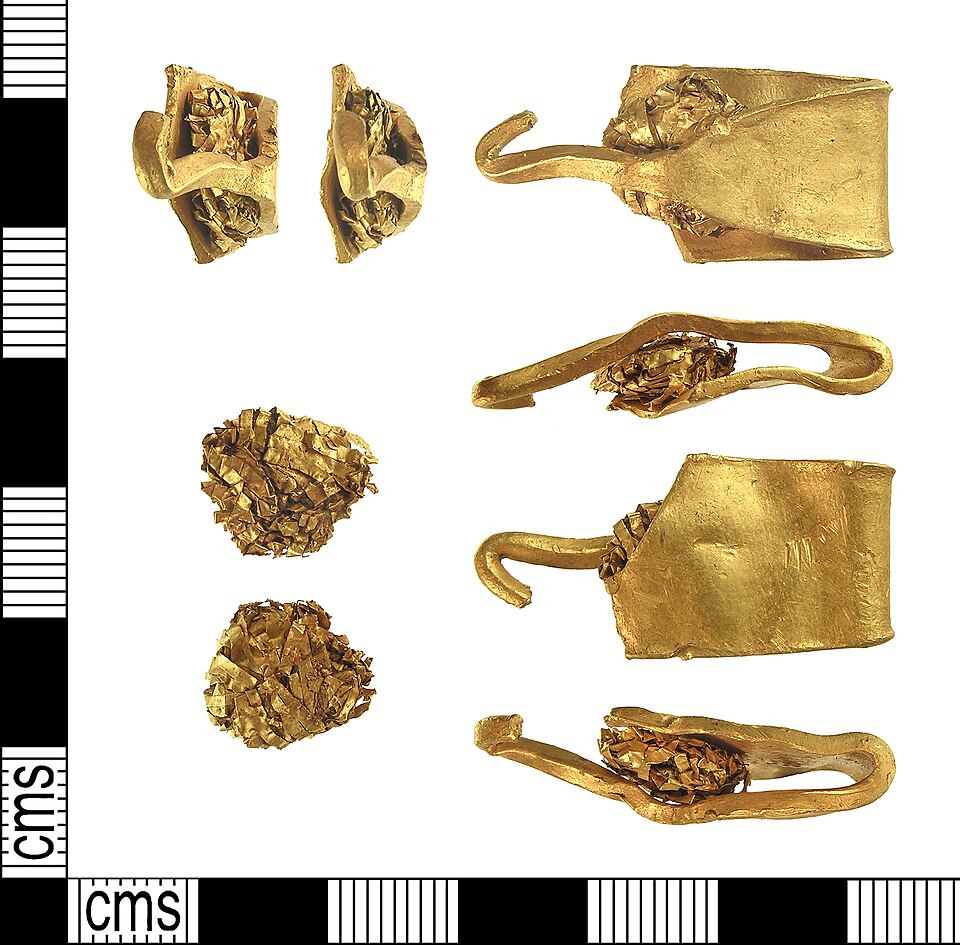
A thin strip of Bronze Age gold, found near Hilborough in Norfolk in 2025, has been declared Treasure. It probably came from a bracelet or torc worn 3,000 years ago, and Norwich Castle Museum hopes to acquire it.
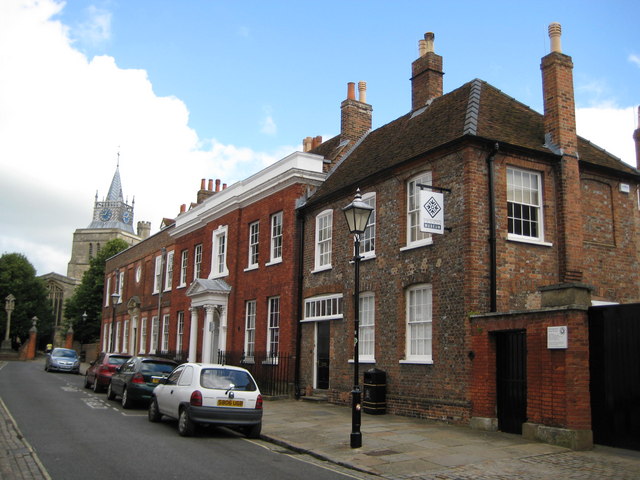
A detectorist in the Chilterns found a hoard of Roman bronze objects, including a rare rattle complete with the peas inside it. He and the landowner have given the whole hoard to the Discover Bucks Museum.
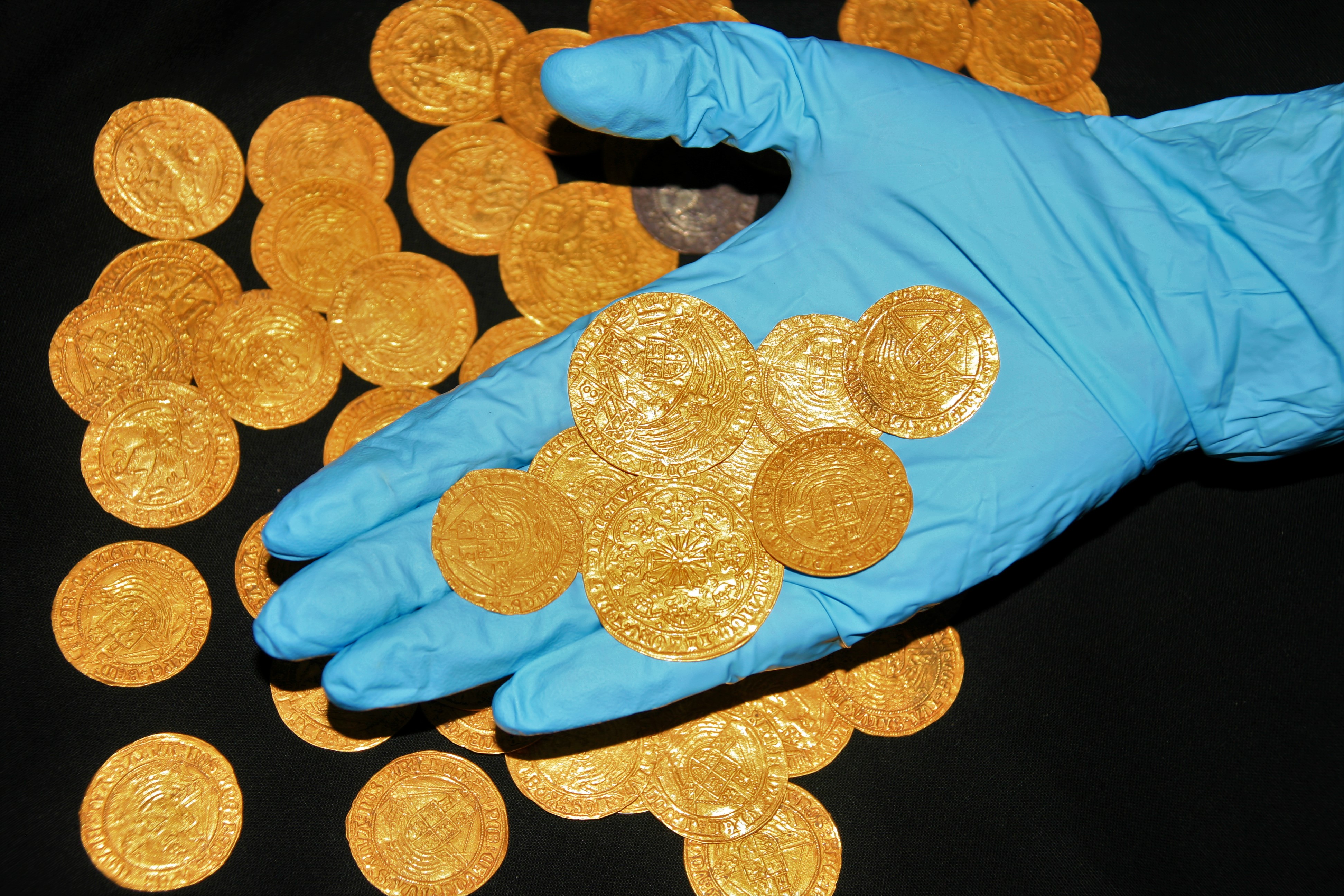
This article highlights fourteen of Britain's most notable historical treasure finds—ranging from Anglo-Saxon gold and Roman coin hoards to Viking silver—uncovered by metal detectorists, archaeologists, and everyday residents. Driven by a surge in home and garden discoveries during the COVID-19 pandemic, these artefacts offer crucial insights into life across various eras of British history. Notable discoveries detailed in the piece include the Staffordshire Hoard, the Galloway Hoard, and the Seaton Down Hoard, along with practical context regarding the legal reporting requirements for treasure finds and the patient mindset required for metal detecting.
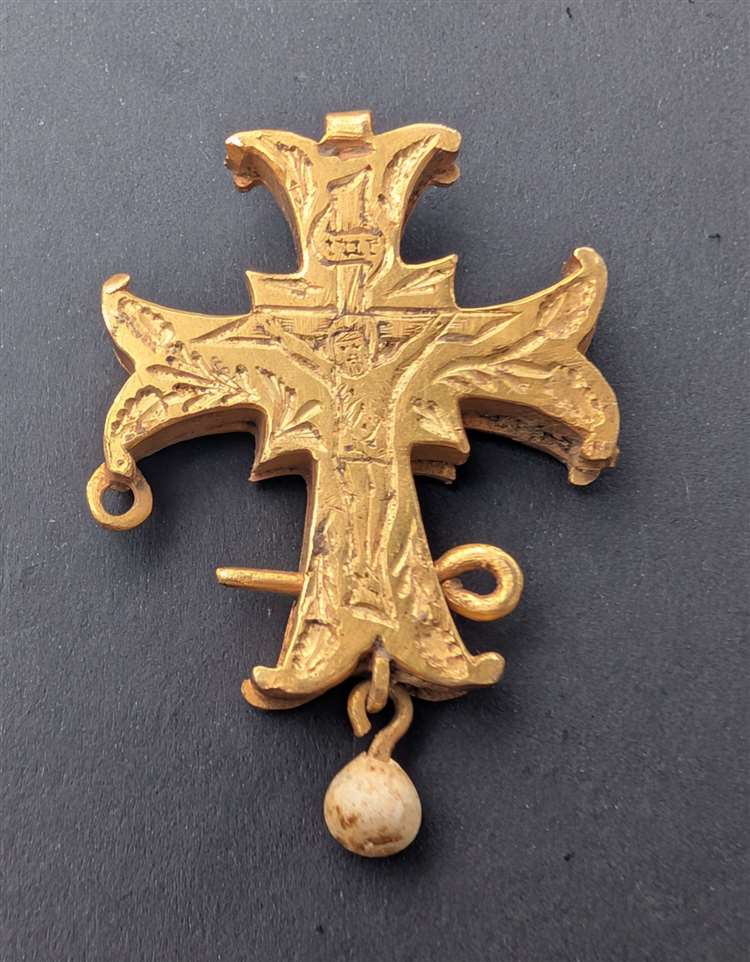
Shelley Couzins, a metal detectorist with the Medway History Finders, unearthed a rare gold cross believed to date back to the medieval or Tudor period while searching a field on the Isle of Sheppey. The 10.6-gram, 2.5 cm pendant—thought to be an intact reliquary cross used to store sacred relics—features detailed engravings of Jesus on one side and Mary with the baby Jesus on the other, along with a hanging pearl and its original pin. Due to concerns about illegal night hunting, the exact location of the discovery is being kept secret. The item has been formally reported under the Treasure Act and handed over to a Finds Liaison Officer for expert evaluation, with the potential to eventually be displayed at the British Museum.