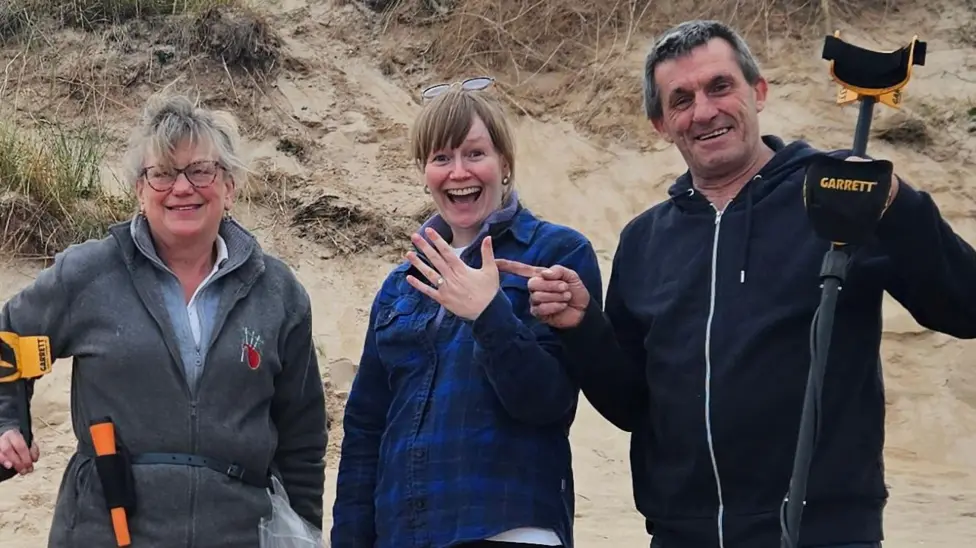
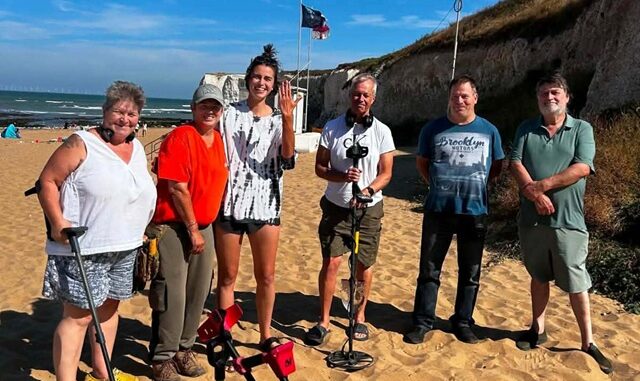
In Embleton Bay, Northumberland, newlyweds Sarah Stone and Logan Mills lost their family heirloom wedding rings while swimming on their honeymoon. After local advice led them to contact Craster-based metal detectorists Andy Grant and Lorna Rawlings, the pair searched the beach and recovered the lost rings within just five minutes.
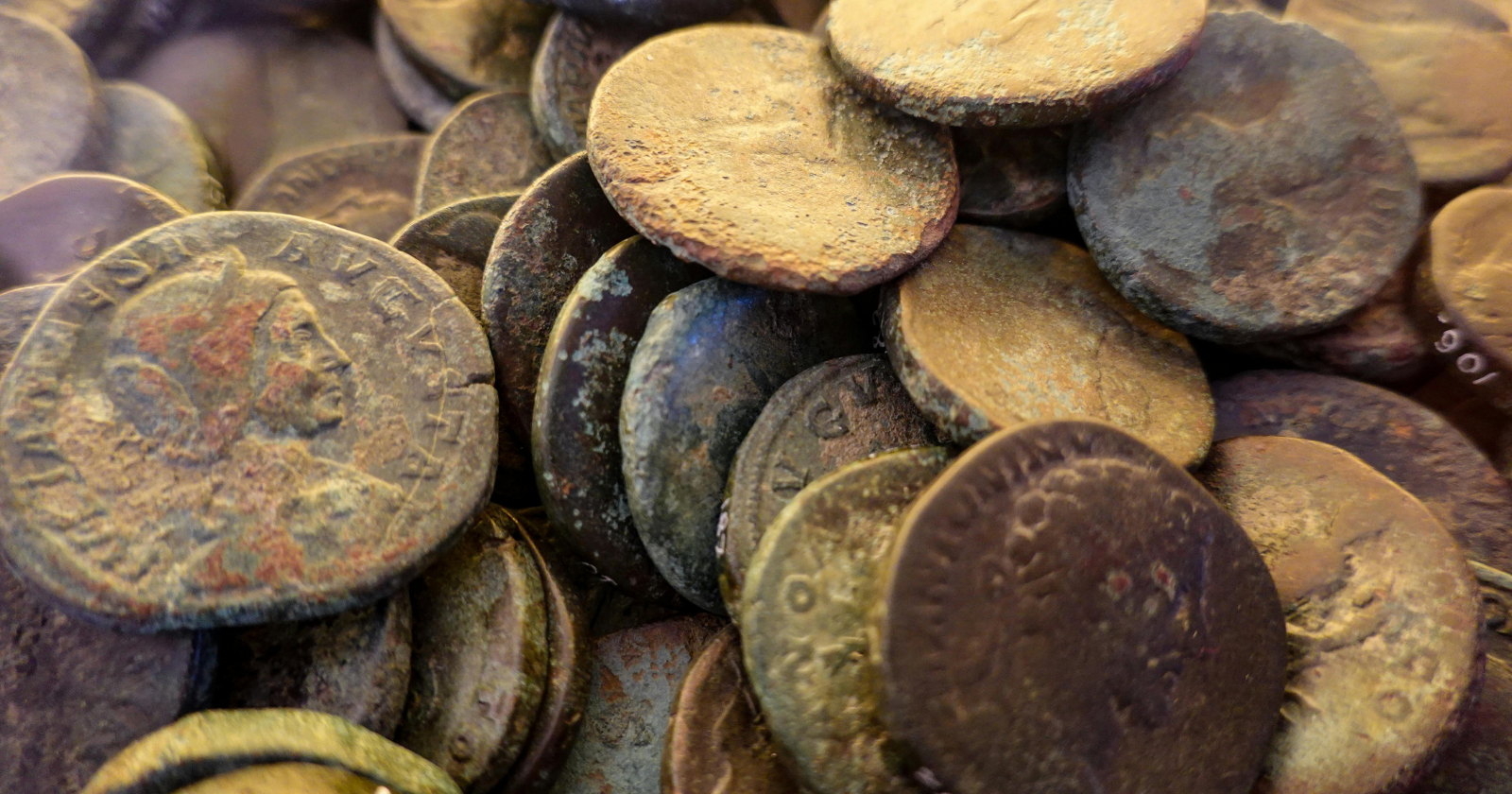
In November 1992, farmer Peter Whatling lost a hammer in a Suffolk field and asked his friend Eric Lawes to help find it using a metal detector. Instead of just the tool, Lawes uncovered what became known as the Hoxne Hoard—one of the richest Roman treasure finds in Britain, consisting of nearly 15,000 gold, silver, and bronze coins, alongside silver tableware and gold jewellery dated to around AD 407. Recognising the find's significance, Lawes halted his digging immediately and notified authorities, allowing archaeologists to excavate the chest with its historical context fully preserved. Lawes was awarded £1.75 million for the discovery, which he split with Whatling (who also recovered his lost hammer), and the event eventually spurred the creation of the UK's Treasure Act 1996 to regulate future archaeological finds.
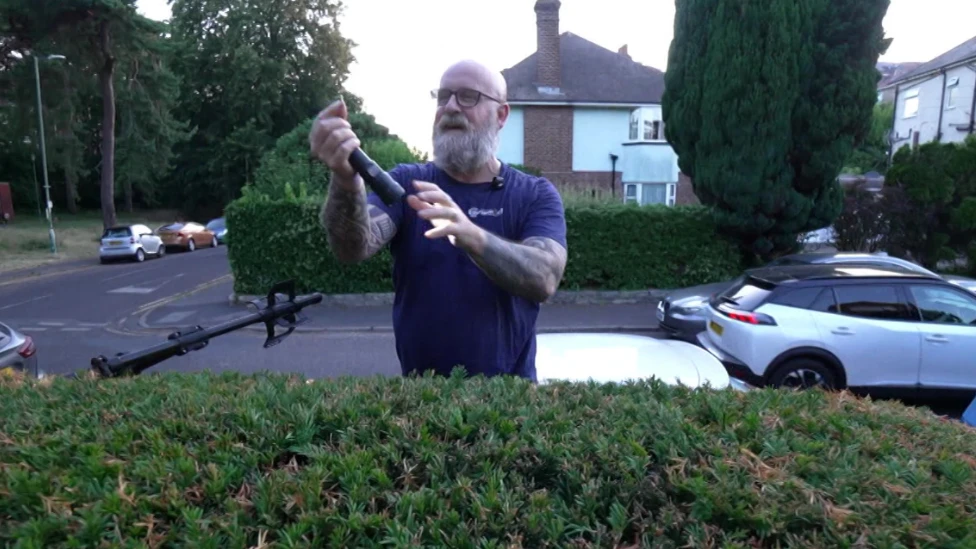
Darren Wiles, a metal detectorist from Bournemouth who runs a free lost item recovery service, recently recovered his 500th lost item: an engagement ring belonging to Abi Colborne. After Colborne accidentally threw the ring into a bush during an argument, Wiles stood on a wheelie bin and used his detector to locate the ring resting right at the top of the hedge. Wiles offers his detectorist services for free but accepts optional donations for Meredith's Mission, a local children's cancer charity, which has raised over £1,100 through his efforts.
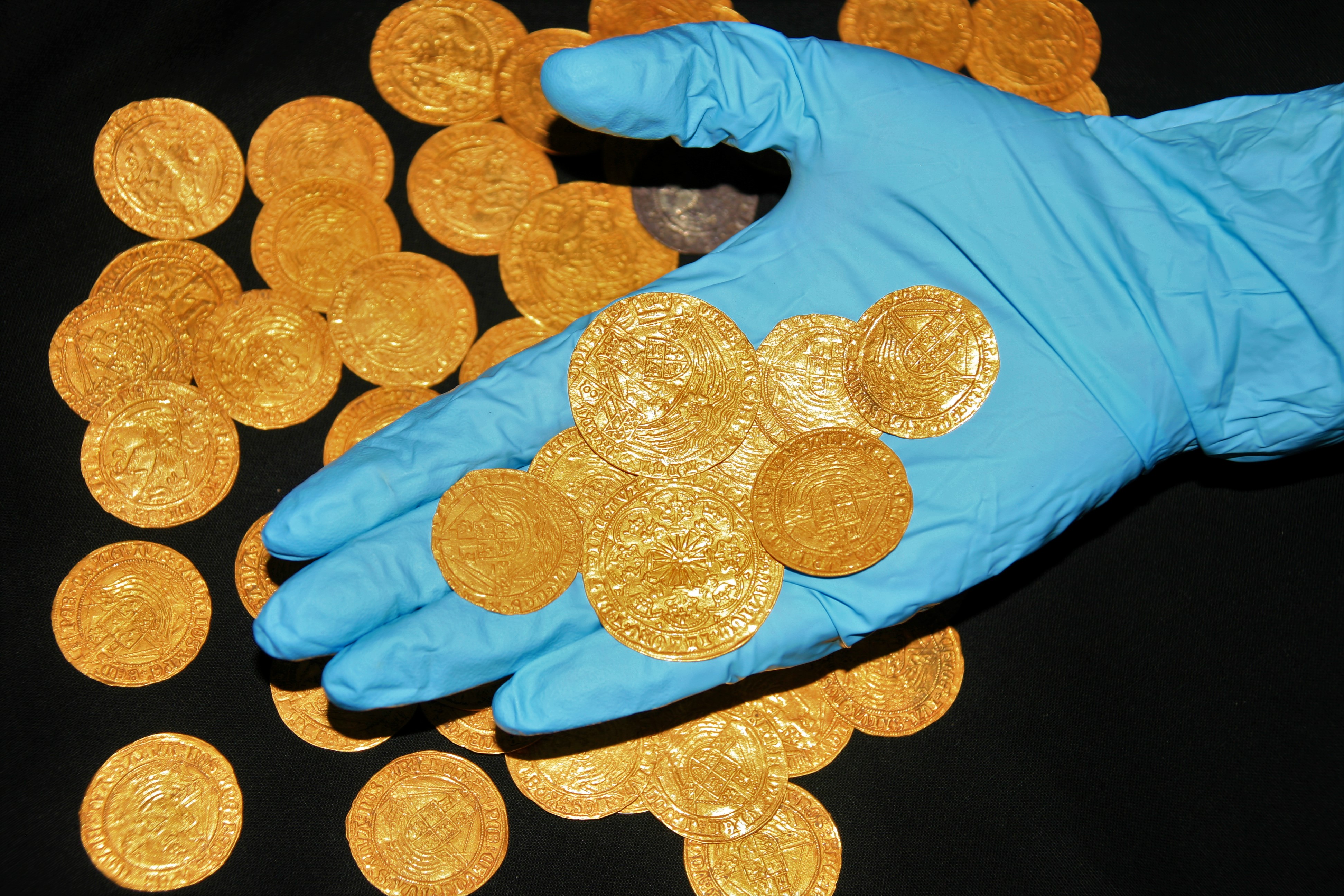
This article highlights fourteen of Britain's most notable historical treasure finds—ranging from Anglo-Saxon gold and Roman coin hoards to Viking silver—uncovered by metal detectorists, archaeologists, and everyday residents. Driven by a surge in home and garden discoveries during the COVID-19 pandemic, these artefacts offer crucial insights into life across various eras of British history. Notable discoveries detailed in the piece include the Staffordshire Hoard, the Galloway Hoard, and the Seaton Down Hoard, along with practical context regarding the legal reporting requirements for treasure finds and the patient mindset required for metal detecting.
Visitor Grace Brockhus lost her wedding ring at Botany Bay on August 25 after it went missing from her sunglasses case while she was swimming. Following a recommendation from a bystander, she contacted the residents' group via contact details on newly installed community signs at The Gallops in Cliftonville. The request was shared through local networks and reached Thanet Metal Detecting members, prompting volunteers—including member Hayley, who searched for five hours—to hunt for the ring until Hayley successfully uncovered it in the sand around 3:30 PM. In gratitude for the community's swift support, Grace made a £30 donation to the Friends of The Gallops fundraising appeal to assist with ongoing land maintenance.
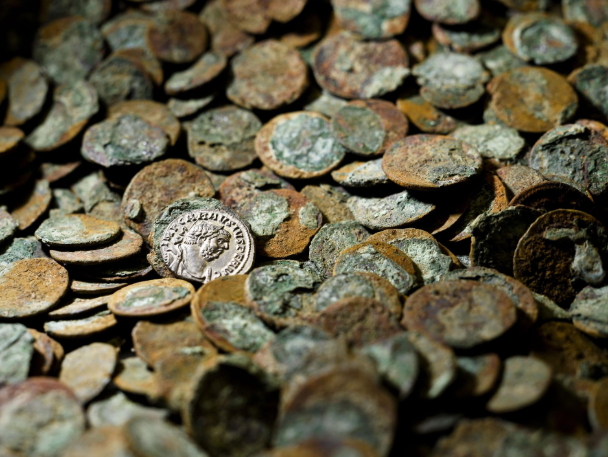
The article details the discovery of the Frome Hoard, Britain's second-largest coin hoard, which was unearthed in April 2010 by metal detectorist Dave Crisp near Frome in Somerset, England. Contained within a single cracked black burnished ware clay pot, the collection comprises 52,503 debased silver and bronze coins spanning 253 to 305 C.E. and weighing roughly 350 pounds. Because the pot was too fragile to carry such immense weight, archaeologists determined it was buried empty in a pit and filled on-site as a single event—likely serving as a communal religious votive offering rather than stored wealth intended for recovery. The hoard includes coins representing 21 Roman emperors, breakaway Gallic rulers, and the largest single collection of coins from the rebel Britannic emperor Carausius, making it a critical historical artefact now preserved at the Museum of Somerset in Taunton.
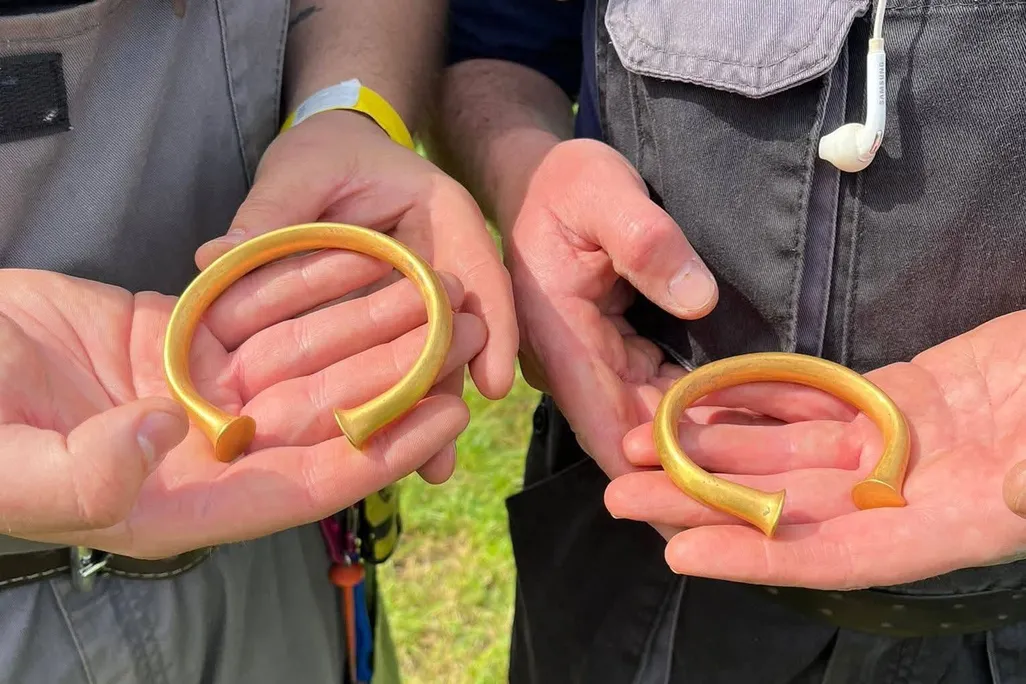
In May 2026, metal detectorists Andy Crammond and Alan Daniels discovered three complete 3,000-year-old Bronze Age gold armbands (torcs) near Carlisle, along the Scottish-English border. Found during a four-day metal-detecting rally organized alongside a local protest against a proposed National Grid electricity substation, the torcs date back to around 1100 B.C.E., weigh 18.3 ounces combined, and are estimated to be worth over $400,000. Experts from the British Museum are currently evaluating the artifacts to determine whether they meet the legal definition of "treasure," which could lead to a museum acquisition and financial proceeds split among the detectorists and the landowner. Local community members hope these historic finds—which were found alongside a Viking brooch and a Roman coin hoard—will help designate the area as protected and prevent the construction of the energy project.
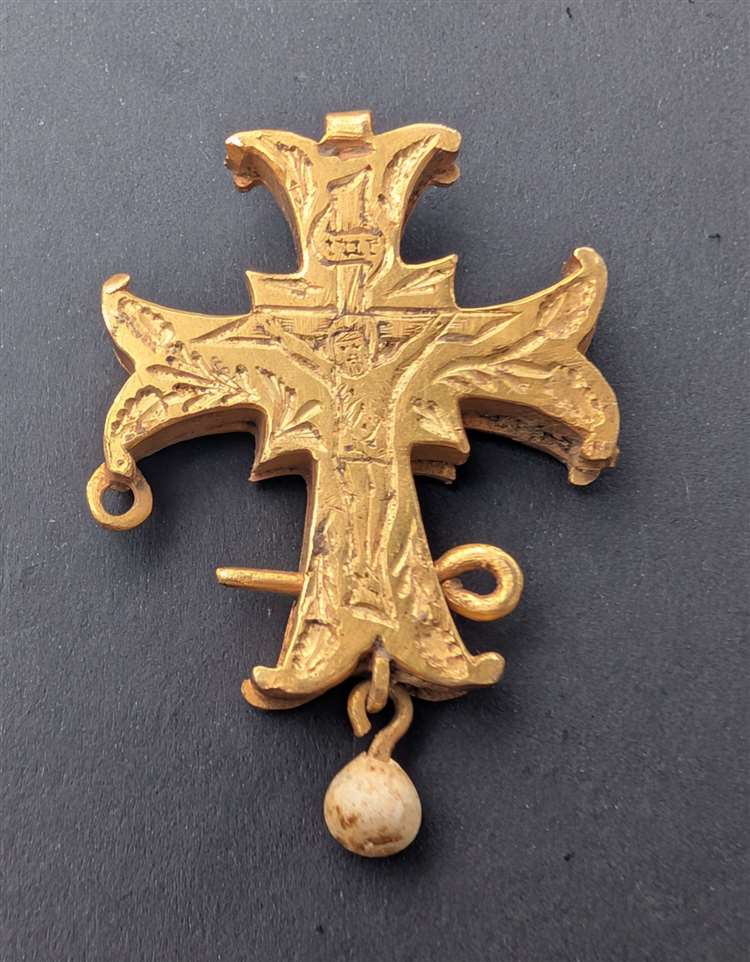
Shelley Couzins, a metal detectorist with the Medway History Finders, unearthed a rare gold cross believed to date back to the medieval or Tudor period while searching a field on the Isle of Sheppey. The 10.6-gram, 2.5 cm pendant—thought to be an intact reliquary cross used to store sacred relics—features detailed engravings of Jesus on one side and Mary with the baby Jesus on the other, along with a hanging pearl and its original pin. Due to concerns about illegal night hunting, the exact location of the discovery is being kept secret. The item has been formally reported under the Treasure Act and handed over to a Finds Liaison Officer for expert evaluation, with the potential to eventually be displayed at the British Museum.