Swedish woman uncovers country's biggest medieval coin hoard by chance
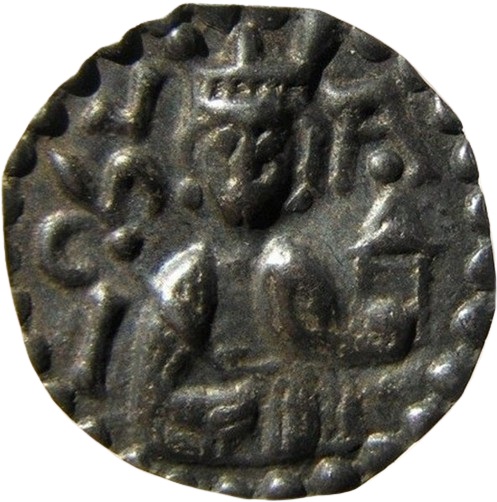
A couple digging for fishing worms behind the outside toilet of their rented summer cottage near Stockholm found Sweden's largest coin hoard: more than 24,000 silver coins. The state has paid them 4 million kronor.
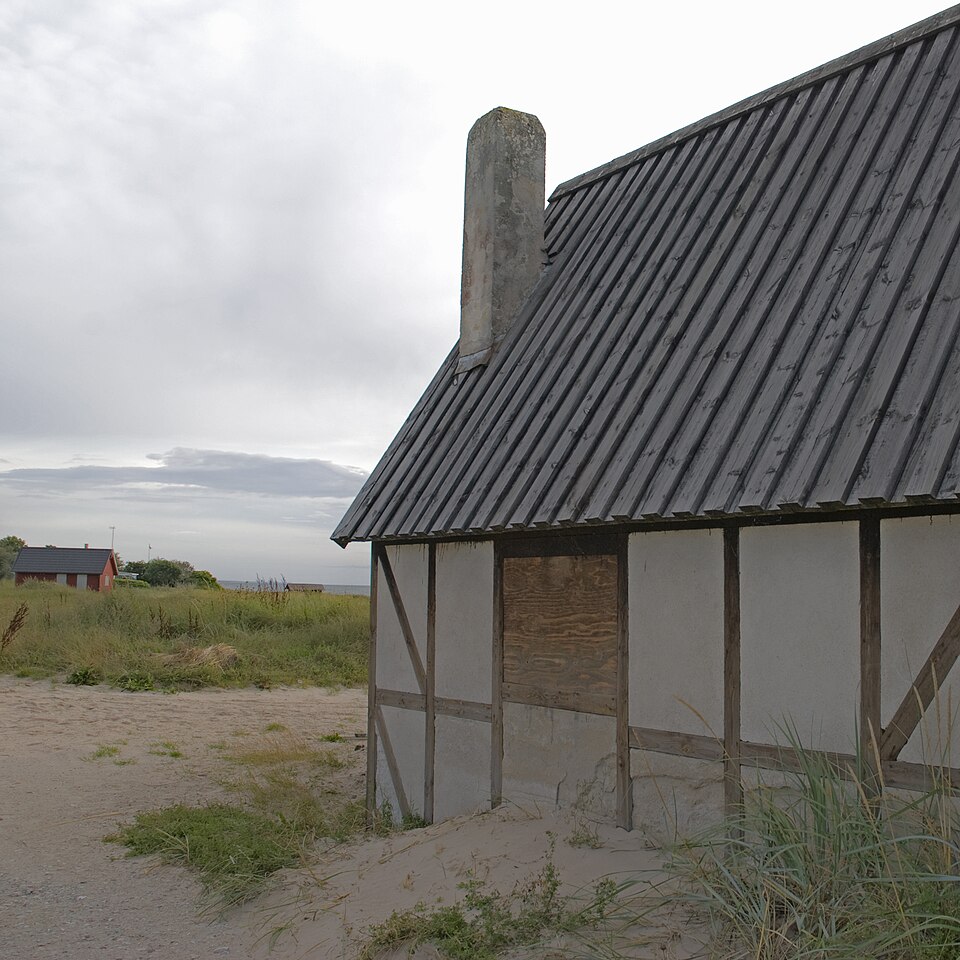
In August 2025, a couple staying at a rented summer cottage on the northern part of Mörkö, an island outside Södertälje, southwest of Stockholm, were getting ready to go fishing. Looking for worms behind the cottage's outside toilet, they dug up silver coins instead.
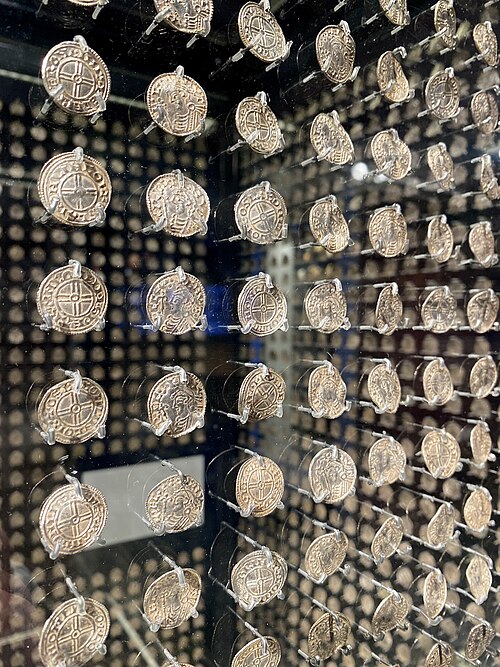
It turned out to be the largest coin hoard ever found in Sweden: just over 24,000 silver coins, along with more than 100 pieces of jewellery and other objects, buried in a copper cauldron. The whole find weighs about 4.7 kilograms. It dates from the end of the Viking Age into the early Middle Ages, and most of the coins were struck in the 12th century. About 800 of them are medieval bishops' coins, and some carry the name KANUTUS, the Latin form of Knut, linked to King Knut Eriksson, who ruled Sweden in the late 1100s. The site lies close to Hörningsholm Castle, and the hoard has become known as the Hörningsholm hoard.
The couple reported the find to the Stockholm County Administrative Board, and archaeologists examined both the hoard and the place it was found. The Swedish National Heritage Board, the Riksantikvarieämbetet, then assessed it. Its senior antiquarian, Magnus Larsson, said only the Spillings hoard on Gotland bears comparison.
In May 2026, the board decided to acquire the hoard for the state and to pay the couple 4 million kronor, about £320,000, the largest payment of its kind ever made in Sweden.
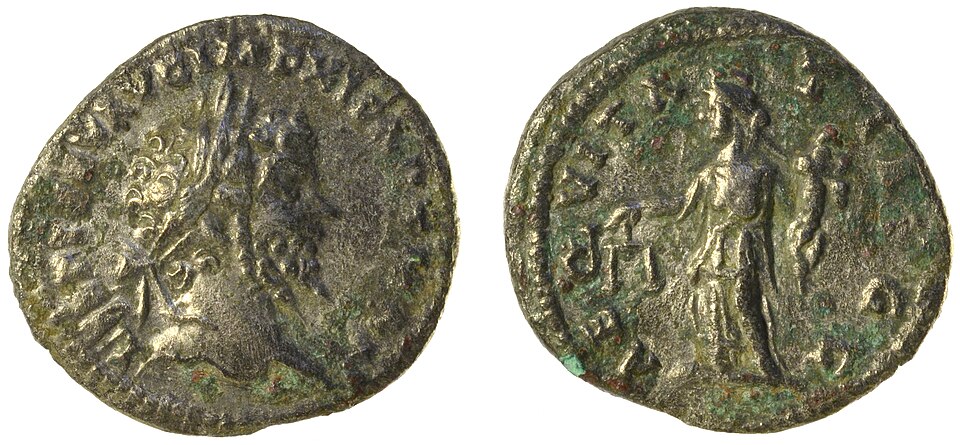
Reported by The Times of India (via inkl, 22 September 2026). Written for Global Finds from that report and Sveriges Radio (21 May 2026). Photo: a silver coin of King Knut Eriksson, about 1180 (not from this hoard), Wikimedia Commons, public domain.
Approximate location58.98, 17.66View on map
Source: Sveriges Radio's report
Also reported by