Norway’s largest known Viking Age hoard found
Two detectorists in Østerdalen found Norway's largest Viking Age coin hoard in April 2026. After the harvest, the search resumed, and the count has now passed 5,000 coins.
On 10 April 2026, metal detectorists Rune Sætre and Vegard Sørlie were searching a field on Mørstad farm at Rena, in Østerdalen in eastern Norway, when they found silver coins. It turned out to be the largest Viking Age coin hoard ever discovered in Norway.
The county archaeologist, May-Tove Smiseth of Innlandet County, said she would have been pleased with a few hundred coins. By the time excavation stopped for the summer, the count stood at 4,886, along with pieces of hacksilver. Neither digging nor ground-penetrating radar showed anything more, so the landowner, Ole Erik Hørstad, sowed his grain.
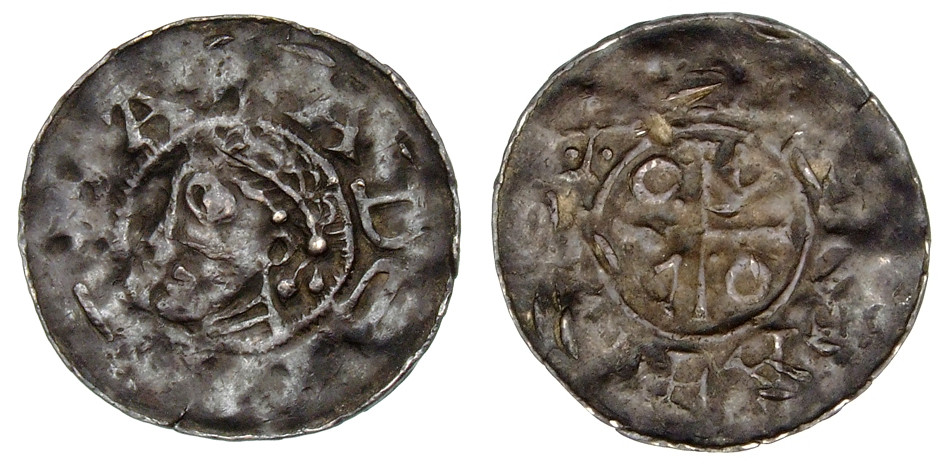
Once the harvest was in, the search began again. At the end of September, Mr Hørstad and the two detectorists dug up coin number 5,000, an Otto-Adelheid penny, a German type that is common in the hoard. The total has since reached about 5,200. The coins still turning up lie deeper, so the archaeologists are using an excavator to remove soil and reach them.
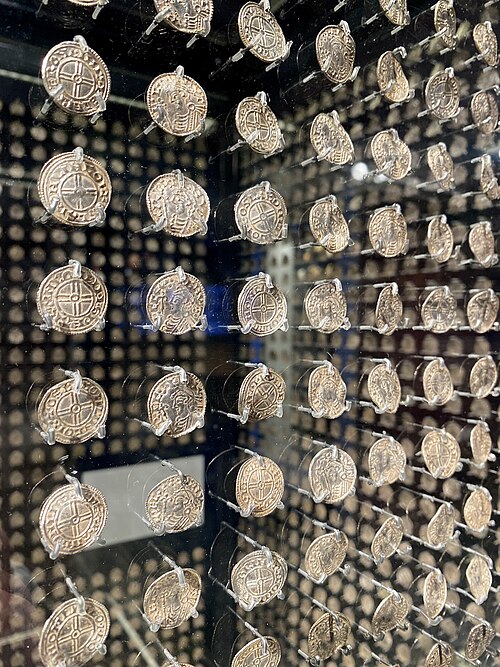
Most of the coins were struck in Germany and in late Anglo-Saxon England. Four rare coins of the Norwegian king Harald Hardrada date the burial to around 1046 or 1047, at the very end of the Viking Age. On some of the English coins, the moneyer's name sounds Norse: Beorn, Aslac, Cetil.
Nobody knows why the silver was buried there, but the archaeologists believe something dramatic stopped its owner from coming back for it. Cataloguing the coins at the Museum of Cultural History in Oslo is expected to take at least a year.
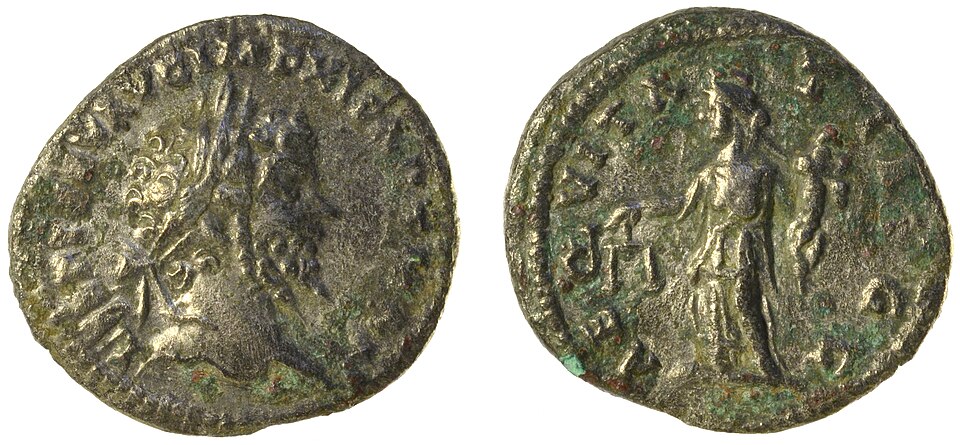
First reported by The Past (September 2026); update from Science Norway (1 October 2026). Written for Global Finds from those reports. Photo: an Otto-Adelheid penny, the same type as coin number 5,000 (not from this hoard), Münzkabinett der Staatlichen Museen zu Berlin, Reinhard Saczewski, Wikimedia Commons, public domain.
Approximate location61.13, 11.37View on map
Source: The Past website