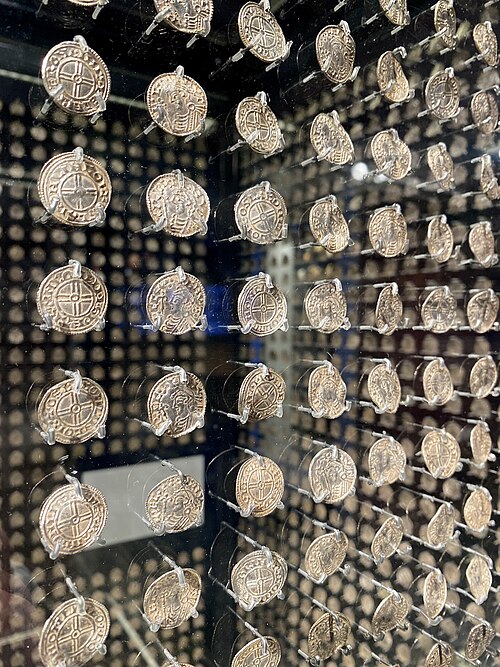
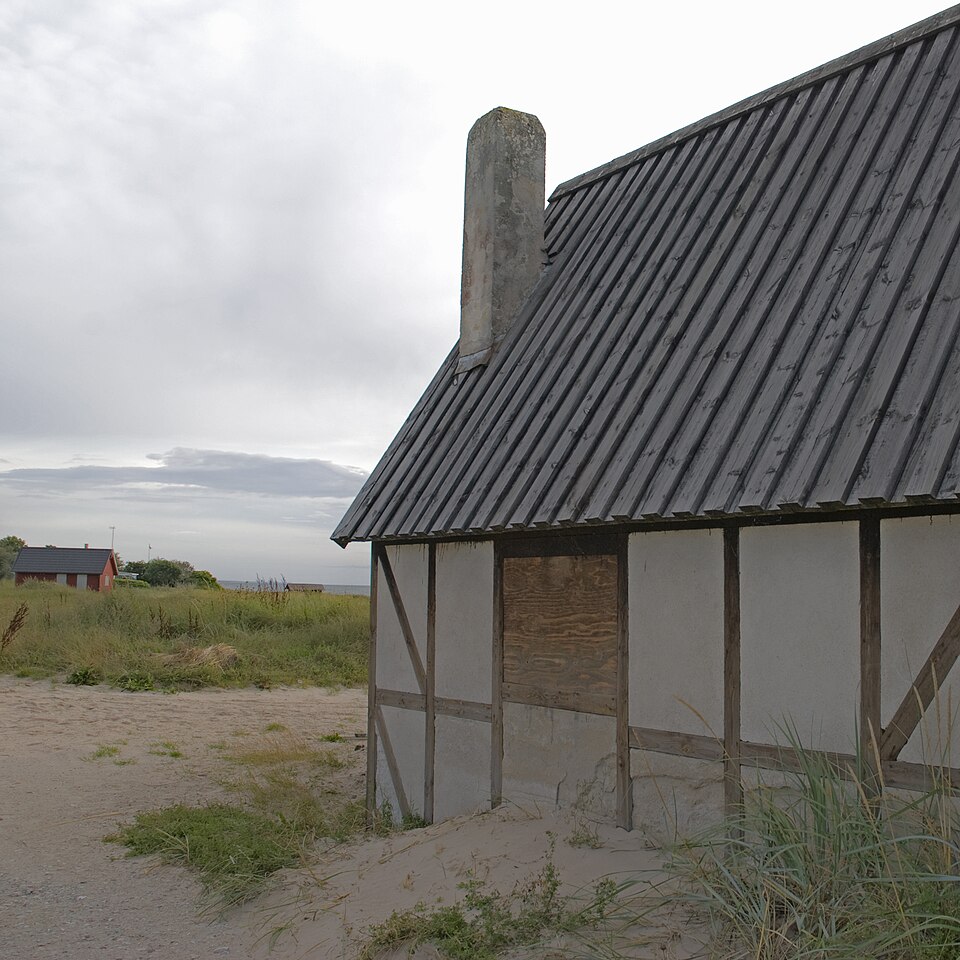
Finland's largest known late Iron Age coin hoard found at Sysmä
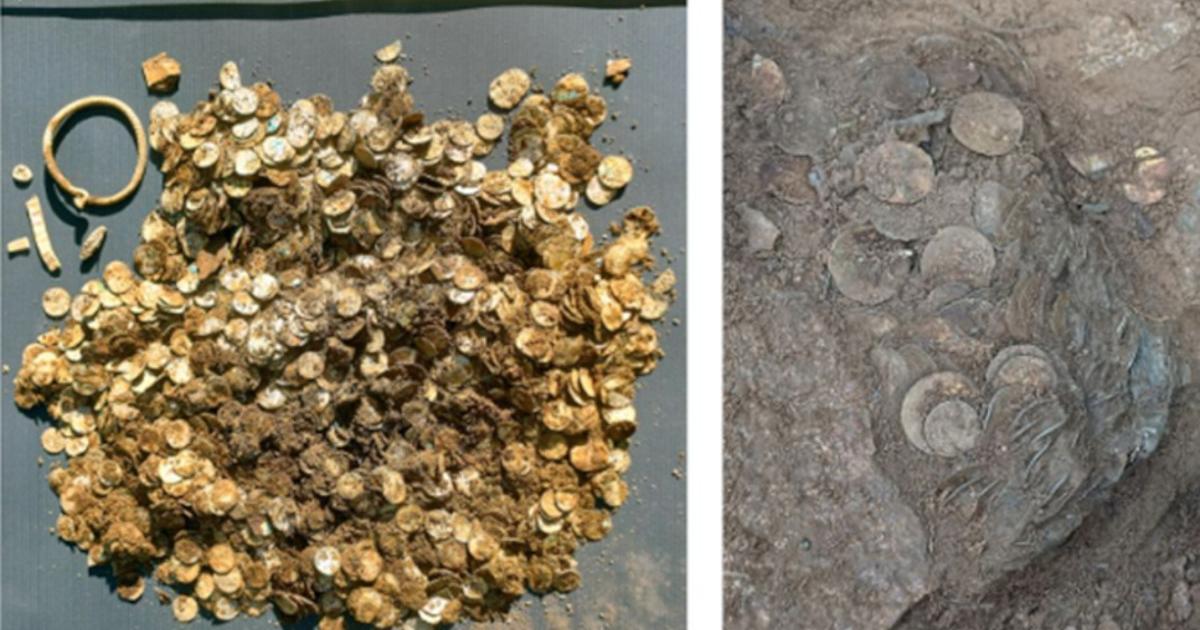
Discovery photographs
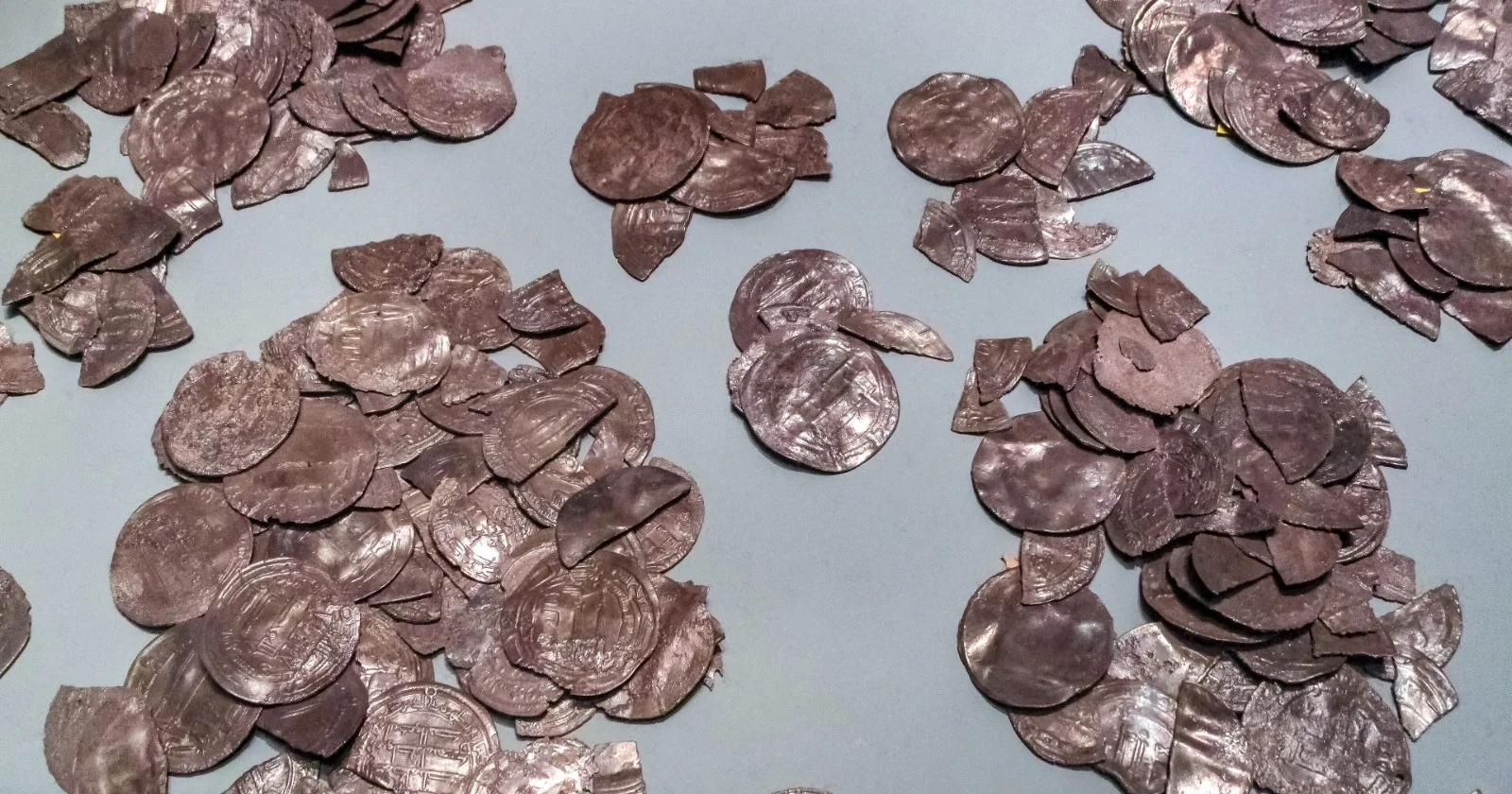
A metal‑detectorist in Sysmä, Finland uncovered what Lahti Museums describes as the country’s largest known late‑Iron‑Age coin hoard: roughly 4.5 kilograms of silver coins packed into two birch‑bark containers and buried about 45 cm deep among stones. The coins—still uncleaned, uncounted, and stuck together—appear to date largely from 1000–1050 CE and include pieces from Sweden, Britain, Germany, and distant Islamic dirhams from the regions of modern Turkey and Iran, highlighting Sysmä’s role as a significant trading node. The discovery, made after revisiting two deep detector signals, also included hack silver and small silver objects, and its exceptional size surpasses Finland’s previous record hoard from Nousiainen. The museum will now study the hoard’s precise composition, dating, and origins to better understand the region’s trade networks and cultural connections in the late Iron Age.
Those four are for England and Wales, where the Portable Antiquities Scheme records finds and the Treasure Act decides what must be reported.
Scotland runs its own system, and every find is reportable there — not only treasure. Treasure Trove Unit ›
The Republic of Ireland is different again, and severely so. Searching for archaeological objects without the Minister’s written consent is a criminal offence carrying fines or imprisonment, and the definition is broad enough to cover coins, buttons and buckles of almost any age. Do not assume British rules travel with you. The law, from the National Museum ›
Northern Ireland is stricter still. The Treasure Act applies and finds go to National Museums NI within fourteen days, but any searching that involves digging — metal detecting expressly included — needs a licence, and licences are only granted for archaeological projects. National Museums NI ›
This site covers discoveries from all over the world, and so does the variation in the law — from a recording scheme that thanks you, to a criminal offence. Wherever you are searching, find out what applies there before you go, not after.