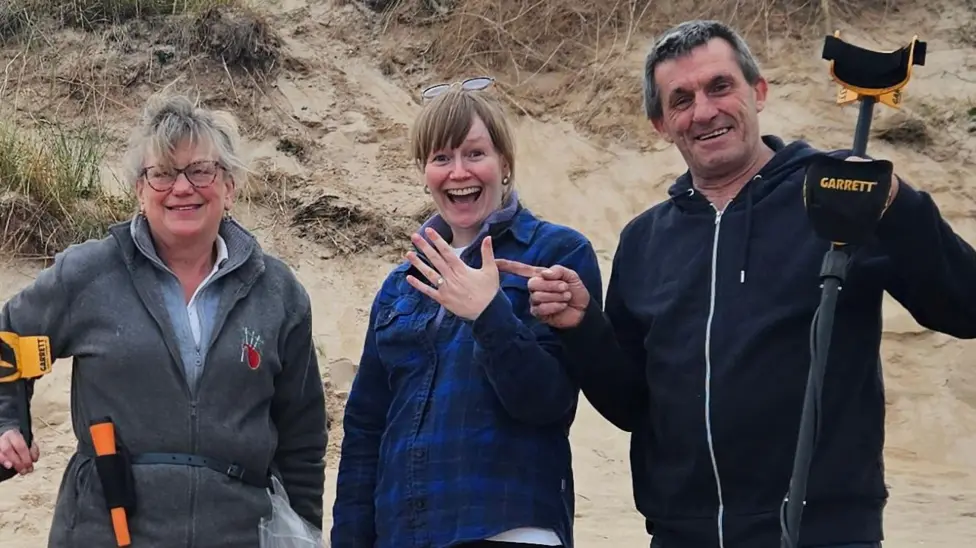
A local metal‑detecting enthusiast who recently gained national attention has once again helped reunite someone with a lost wedding ring, adding to a growing list of successful recoveries. WTOL 11 reports that Jeff—whose earlier story brought widespread recognition—continues to use his hobby to assist community members who have misplaced sentimental jewellery, with this latest find reinforcing his reputation for turning chance discoveries into meaningful returns.
Reported by Yahoo. The full report is linked below.
Those four are for England and Wales, where the Portable Antiquities Scheme records finds and the Treasure Act decides what must be reported.
Scotland runs its own system, and every find is reportable there — not only treasure. Treasure Trove Unit ›
The Republic of Ireland is different again, and severely so. Searching for archaeological objects without the Minister’s written consent is a criminal offence carrying fines or imprisonment, and the definition is broad enough to cover coins, buttons and buckles of almost any age. Do not assume British rules travel with you. The law, from the National Museum ›
Northern Ireland is stricter still. The Treasure Act applies and finds go to National Museums NI within fourteen days, but any searching that involves digging — metal detecting expressly included — needs a licence, and licences are only granted for archaeological projects. National Museums NI ›
This site covers discoveries from all over the world, and so does the variation in the law — from a recording scheme that thanks you, to a criminal offence. Wherever you are searching, find out what applies there before you go, not after.
 ▶Watch the videoOpens on yahoo.com in a new tab